Salt is often suggested as a cheap, easy way to deal with roots around septic tanks. The problem is that both science and real-world infrastructure experience show it causes far more damage than it ever fixes.
What Salt Does to Concrete Septic Tanks
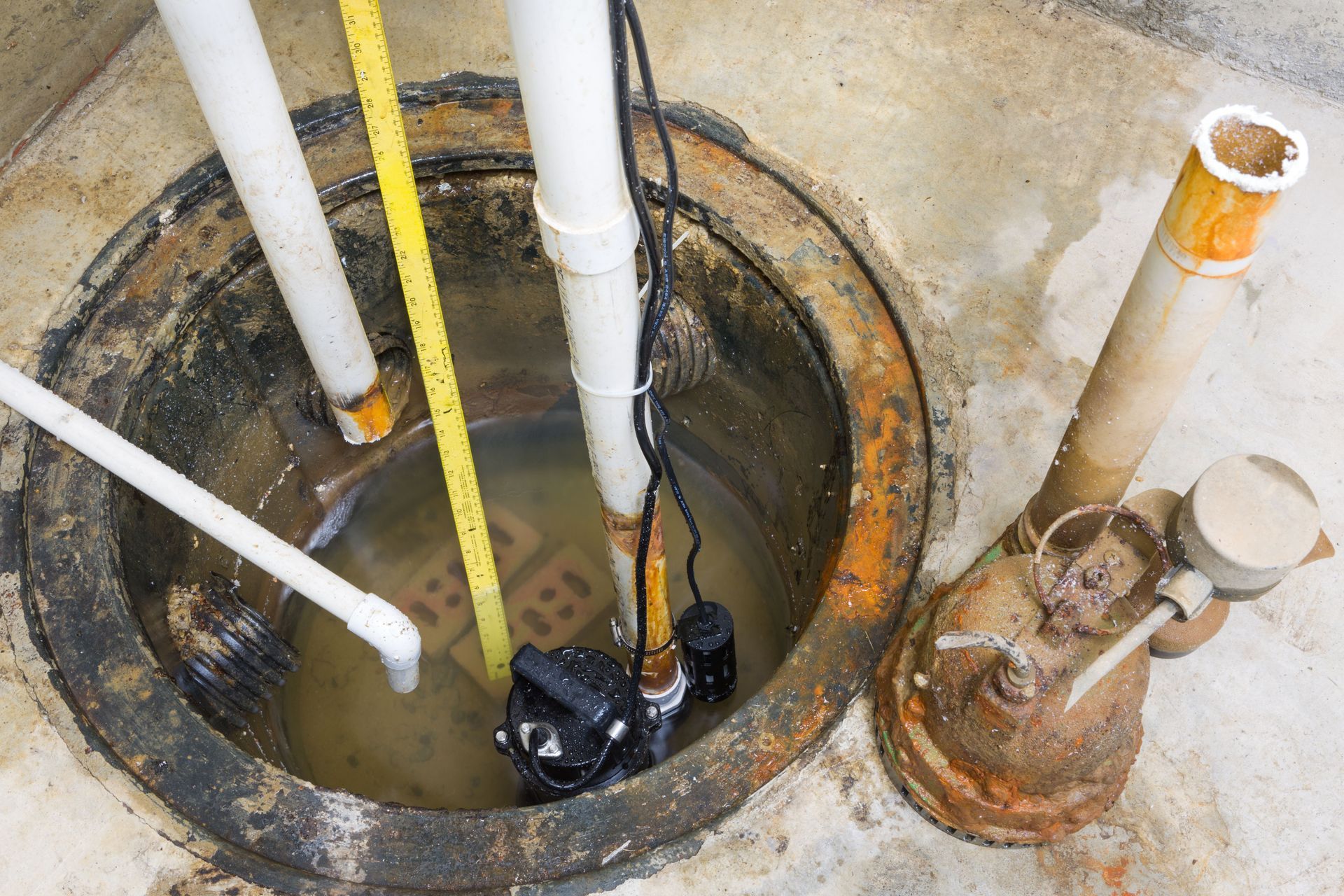
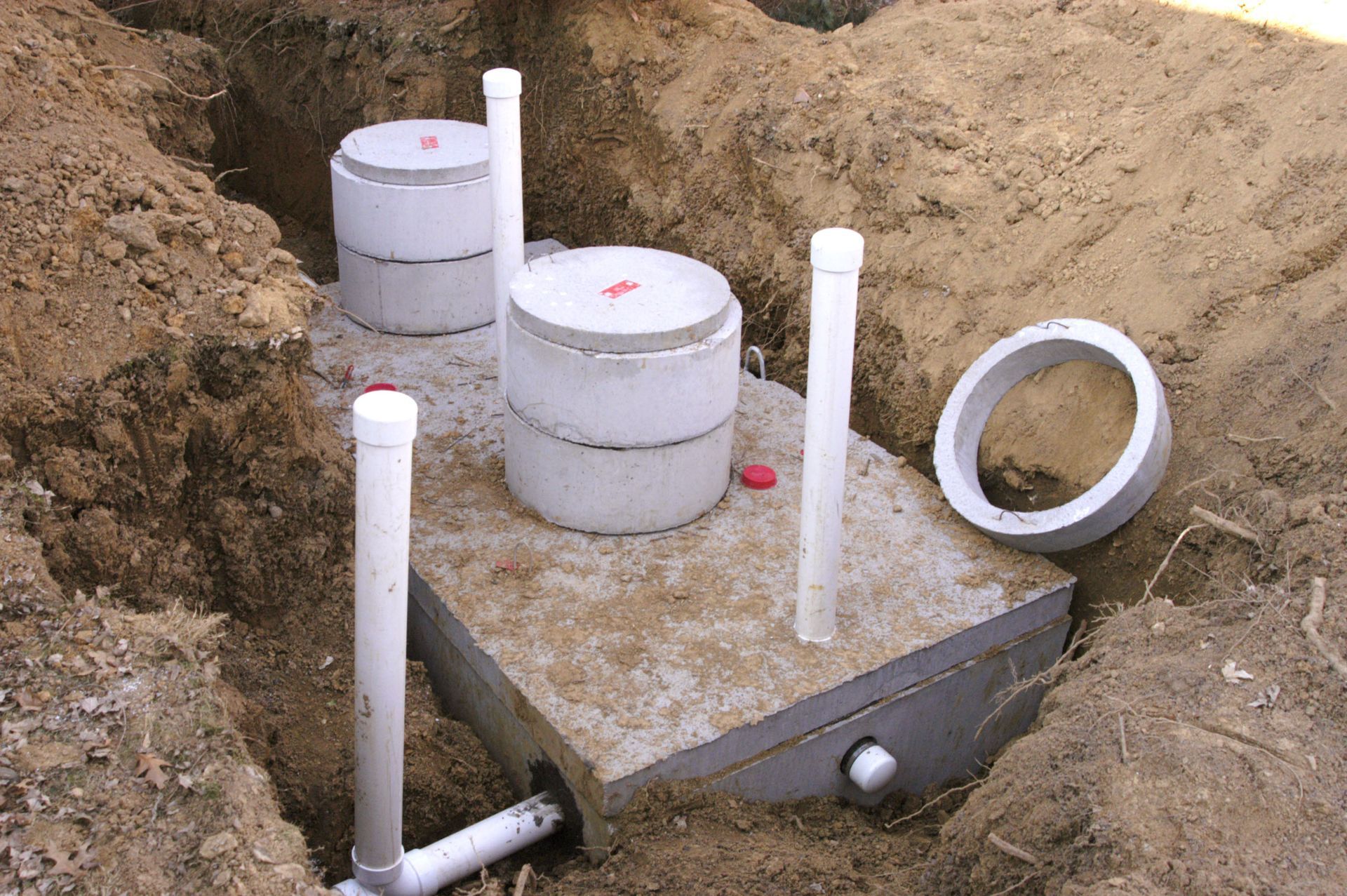
Concrete does not play well with salt, and this has been well documented in civil engineering and wastewater research. Chloride salts penetrate concrete and break down the cement paste that gives it strength, while also allowing chlorides to reach reinforcing steel and accelerate corrosion (American Concrete Institute, ACI 222R; Federal Highway Administration). This corrosion causes cracking, spalling, and structural weakening from the inside out. The same chloride damage mechanism is why road salt is a leading cause of premature failure in bridges, sidewalks, and wastewater infrastructure across the U.S. (U.S. Federal Highway Administration). Once salt exposure begins, deterioration continues even if the salt use stops.
Bottom line: salt can turn a tank that should last decades into a premature replacement.
What Salt Does to Soil (and Why Septic Systems Rely on Soil)
Soil science clearly shows that sodium from salt disrupts soil structure by causing soil particles to disperse instead of bind together. This process reduces permeability, limits drainage, and permanently lowers the soil’s ability to absorb water (USDA Natural Resources Conservation Service; University soil science studies on sodic soils). In septic systems, soil is not just dirt, it is a critical treatment component that filters and treats wastewater. When salt damages soil structure, absorption capacity drops and the risk of system failure increases. Unlike water, salt does not flush away. It remains in the soil and alters its chemistry long term (USDA NRCS).
Bottom line: salt weakens the very soil your septic system depends on to function.
Why Salt Isn’t a Real Root Solution
Salt does not reliably eliminate established roots. At best, it temporarily stresses plants and soil. At worst, roots grow back while the tank and surrounding soil quietly deteriorate. Research and field experience show that salt damage is cumulative and often hidden, which is why systems exposed to salt frequently fail years later with no obvious early warning signs (EPA wastewater infrastructure guidance; civil materials research).
The Safer, Proven Alternative
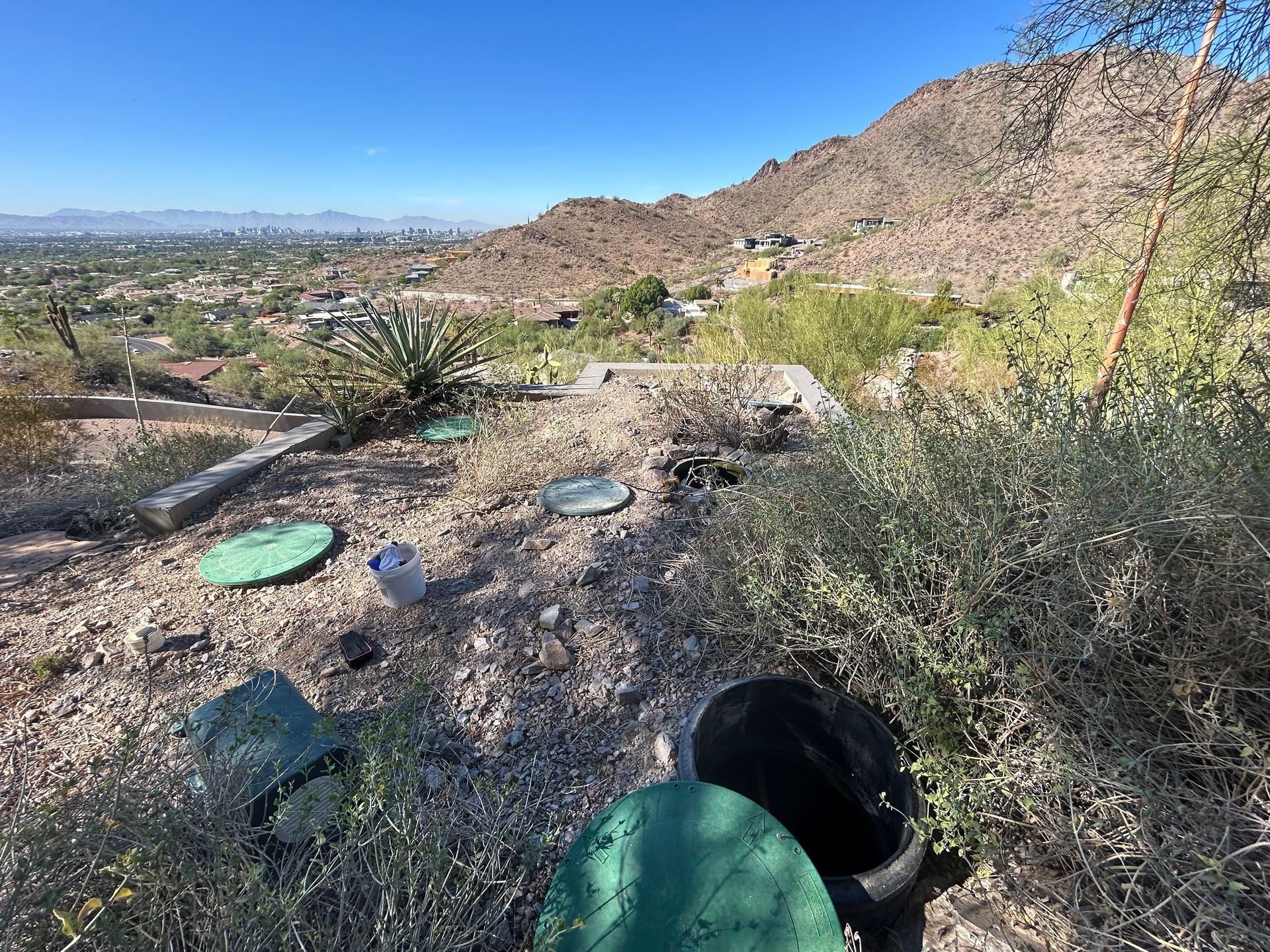
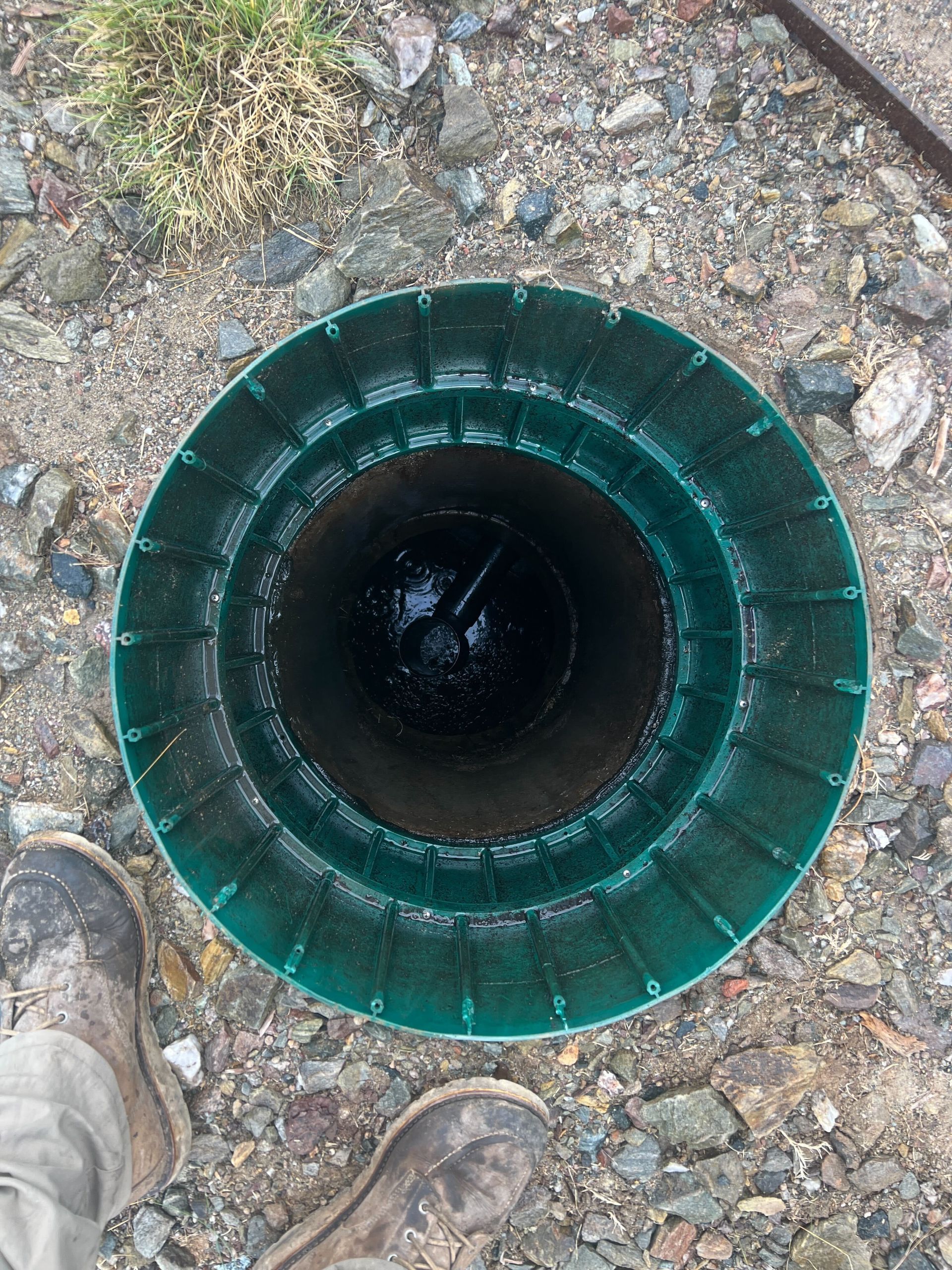
Proper root removal through confined space entry addresses the problem directly by physically removing the roots at their source. Once removed, affected areas can be cleaned and resealed to restore watertightness and reduce the chance of future intrusion. This approach protects the tank structure, preserves soil integrity, and aligns with accepted wastewater system maintenance and safety standards (EPA Onsite Wastewater Treatment Systems Manual; ADEQ Title 18 guidance).
The Takeaway
Salt may sound like a shortcut, but engineering research and soil science consistently show it causes long-term damage to both concrete and soil. Mechanical root removal and resealing is not just the safer option, it is the solution that protects the lifespan of the septic system and helps homeowners avoid much larger repairs or full replacement down the road.
Sources & Further Reading
Concrete and Salt Damage
Salt and Soil Structure
Infrastructure and Wastewater Impacts
Arizona Regulatory Context