Gas Line Installation and Repair
Gas lines supply fuel to many important systems in a home. Stoves, water heaters, dryers, fireplaces, and outdoor appliances often rely on natural gas or propane to operate efficiently. Because gas lines carry combustible fuel, installation and repairs must be handled carefully and must follow local safety codes and permitting requirements.
Gas line work can include installing new gas supply lines for appliances, extending existing lines to new areas of the home, repairing damaged piping, or converting appliances to operate with gas instead of electricity. Many homeowners also install gas lines for outdoor features such as grills, patio heaters, or fire pits.
Proper installation helps ensure that appliances receive the correct gas supply and that the system operates safely throughout the property.
If you have questions about gas line installation or need service, call or text (602) 975 5507.
Common Gas Line Services
Gas line work can involve several types of projects depending on the layout of the home and the appliances being installed.
New Gas Line Installation
Installing a new gas line may be necessary when adding appliances such as gas stoves, water heaters, fireplaces, or dryers. New lines can also be installed when expanding an outdoor living area with a grill or fire feature.
Gas Line Repairs
Gas lines may occasionally require repair due to corrosion, loose fittings, or damage to the pipe. Repairs typically involve locating the affected section of piping and replacing or resealing the connection to restore safe operation.
Gas Appliance Connections
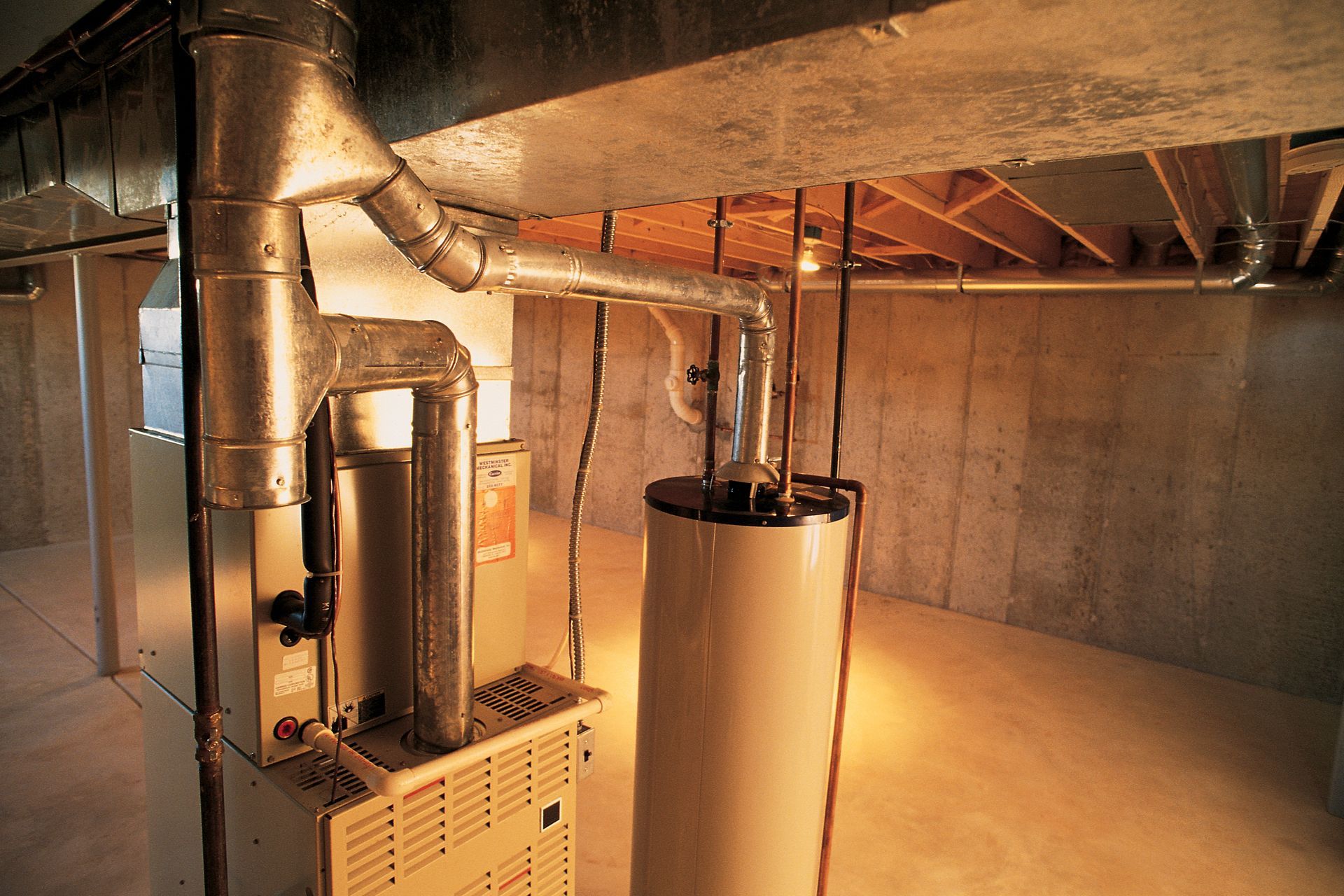
Appliances that operate on natural gas require proper connections to ensure the correct gas pressure and airflow. This includes stoves, ovens, water heaters, dryers, and outdoor appliances.
Gas Line Extensions and Rerouting
When remodeling a home or relocating appliances, existing gas lines may need to be extended or rerouted. This allows the gas supply to reach new locations while maintaining proper system design.
Safety Inspections and Leak Detection
Gas systems can be inspected to verify that the piping, valves, and connections are functioning correctly. Leak detection tools may be used to identify any areas where gas could be escaping from the system.
Gas Line Materials and Installation Considerations
Several types of piping may be used for gas line installations depending on the design of the system and local building codes.
Flexible corrugated stainless steel tubing, often referred to as CSST, is commonly used because it allows for easier routing through walls and framing. Traditional black iron piping is another common material used in gas systems because of its durability and strength. In some cases copper piping may also be used depending on the application and local regulations.
Before installation begins, permits are often required by the city to ensure that the work meets safety and building code standards. Projects may also require a call to underground utility locating services to identify existing lines before excavation occurs.
These steps help ensure that gas systems are installed safely and in accordance with local regulations.
Gas Lines for Outdoor Living Spaces
Many homeowners add gas lines when building outdoor kitchens or gathering areas. Gas powered grills, patio heaters, and fire pits allow outdoor spaces to be used more comfortably throughout the year.
Installing a dedicated gas line for outdoor appliances eliminates the need for portable propane tanks and provides a steady fuel supply for cooking or heating features.
When outdoor gas lines are installed, careful planning is required to ensure proper pipe sizing, safe routing, and protection from weather exposure.
Why Proper Gas Line Installation Matters
Because gas lines carry combustible fuel, safety is always the primary concern during installation or repair. Proper pipe sizing, secure fittings, and accurate pressure levels all contribute to safe operation.
Local building codes and inspection requirements are designed to ensure that gas systems are installed correctly and operate safely within the property. Following these guidelines helps reduce the risk of leaks and ensures appliances function properly.
Regular inspections and maintenance can also help identify issues early before they become larger problems.