By Tabitha
March 18, 2026
Septic systems play an essential role in waste management for millions of properties across the United States. Often used in locations where residential and commercial connections to centralized sewer systems are not feasible, these self-contained treatment systems serve as a crucial component of the infrastructure. Without regular professional care and maintenance, they can become susceptible to a range of issues that can lead to costly repairs and environmental damages. Understanding the significance of consistent upkeep and professional oversight helps in avoiding these pitfalls, ensuring that the system functions as expected.
This article explores various aspects of septic system care, from fundamental processes and risks of negligence to benefits of professional servicing and DIY maintenance tips. According to This Old House, over 25% of Americans rely on a septic tank for waste management, particularly in rural areas. Beyond functionality, these systems also play a major role in promoting environmental sustainability and safeguarding public health. When they are maintained properly, septic systems provide decades of reliable service while minimizing ecological harm, which makes them both a practical and responsible solution for property owners.
Understanding How Septic Systems Work
Components of a Septic System
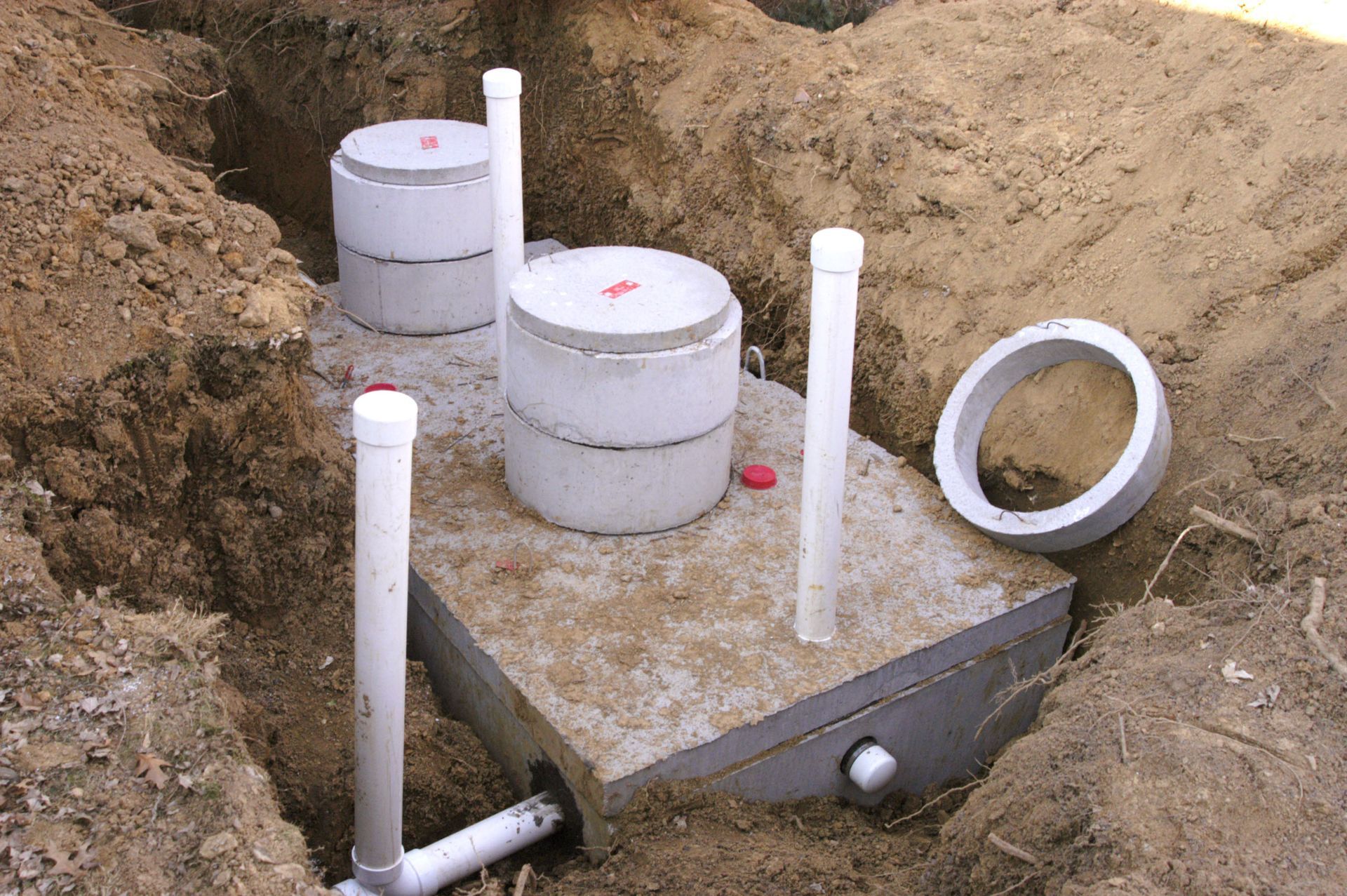
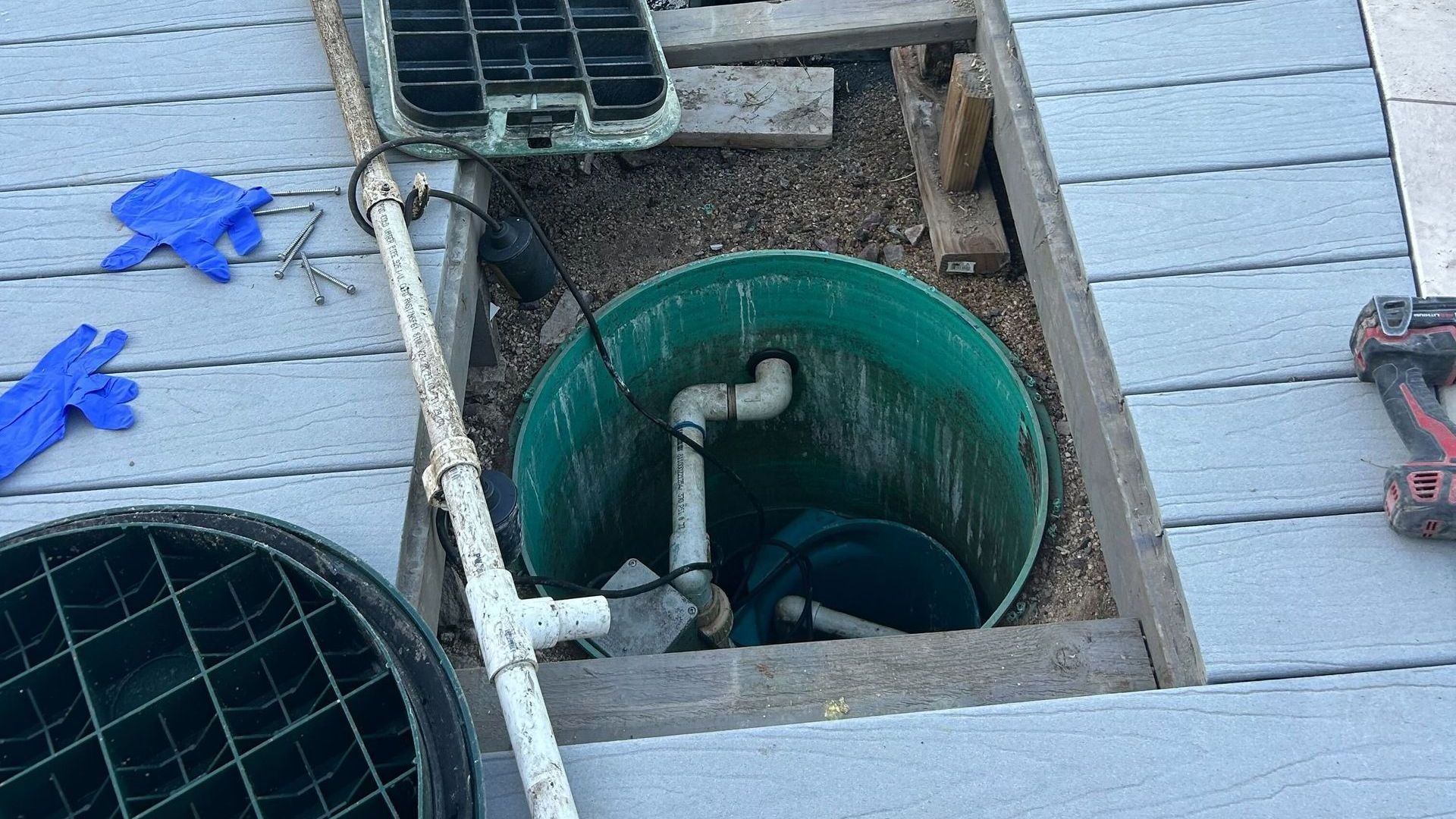
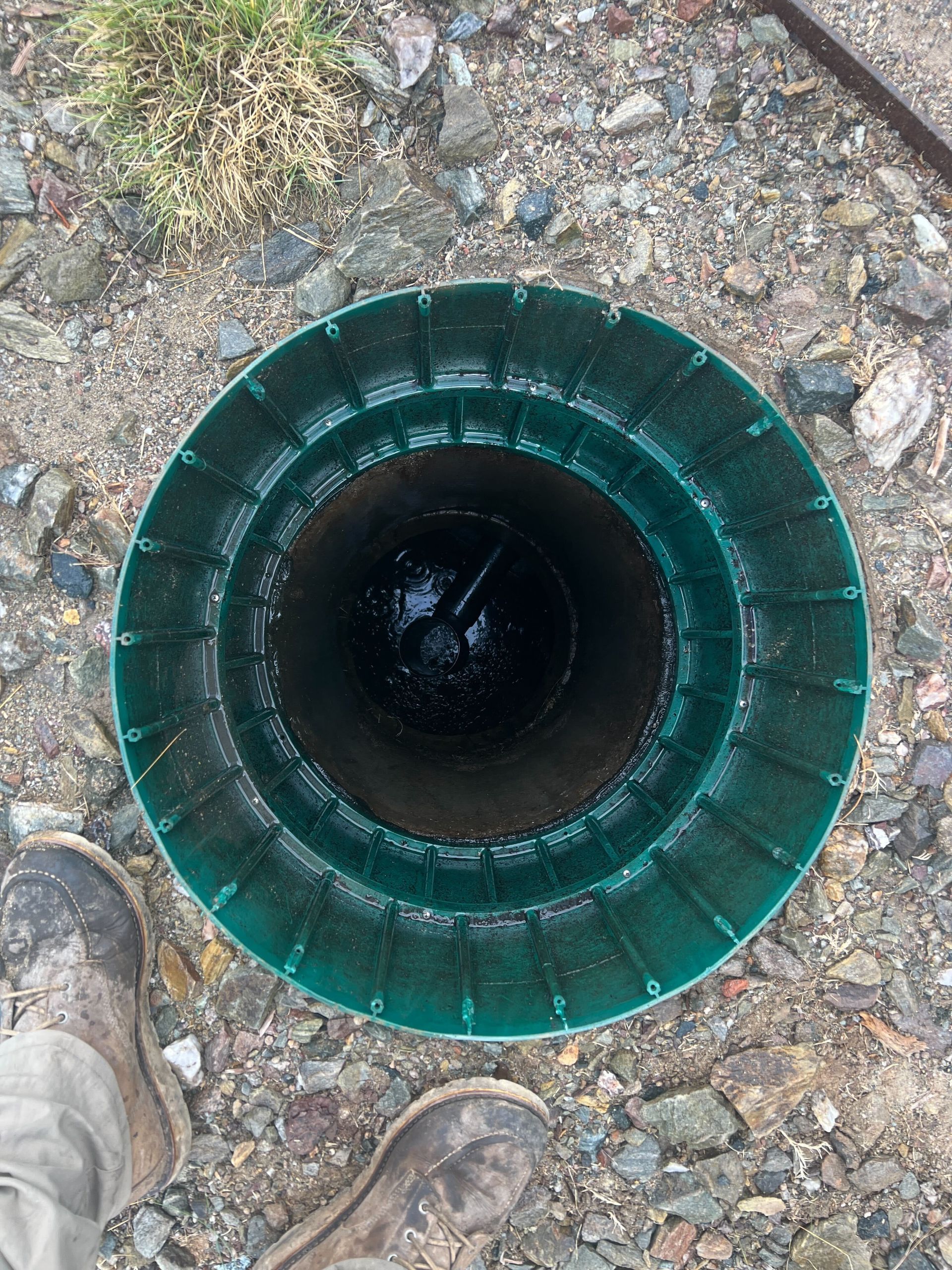
The basic components of a septic system include the septic tank, drain field, and associated piping. The septic tank is a watertight container where the initial waste treatment takes place. It traps solid waste and prevents it from entering the drain field, while allowing liquid effluent to leave the tank for further treatment in the soil. The drain field provides a secondary treatment step where soil organisms digest organic matter, filtering and purifying wastewater. Proper maintenance of every component is crucial to the overall health and longevity of a septic system. Without consistent attention, each component is at risk of failure, leading to serious problems for the entire property.
The Septic System Process
Wastewater flows from the property into the septic tank where solids and liquids naturally separate. Over time, the solid waste settles at the bottom, creating sludge, while fats and oils float to the surface as scum. The processed liquid effluent exits the tank and enters the drain field, where it is further filtered by soil bacteria and microorganisms. This natural filtration prevents harmful pathogens from entering groundwater and ensures a safe release into the environment. The entire process relies on gravity and biological activity, making it both efficient and eco-friendly. However, even this natural cycle requires careful management to remain effective.
Function of Bacteria in Waste Breakdown
Bacteria play a pivotal role in the decomposition of waste in septic systems. Inside the tank, anaerobic bacteria thrive in the oxygen-deprived environment, breaking down biodegradable waste such as food particles and human excrement. As the effluent percolates through the drain field, aerobic bacteria in the soil take over, further treating the water before it reenters the groundwater system. Proper bacterial activity is essential, as it reduces the volume of solid waste and lowers the risk of clogs and backups. Homeowners can inadvertently damage this microbial ecosystem by introducing harsh chemicals or unnecessary additives into the system, which is why expert guidance is so important.
Signs of a Healthy Septic System
A healthy septic system operates quietly and efficiently, often going unnoticed by property owners. Signs of proper functioning include flush toilets, unobstructed drains, and no unpleasant odors near the tank or drain field. Additionally, there should be no standing water or overly lush plant growth above the drain field, both of which indicate system malfunctions. Regular inspections and pumping ensure that the system maintains its health, preventing minor issues from escalating into significant problems. When these indicators are monitored consistently, homeowners can avoid emergencies and keep their property safe.
Environmental Impact of Septic Systems
Well-maintained septic systems have a positive impact on the environment by responsibly managing and decomposing household waste. The system's design minimizes water pollution risks by filtering and treating wastewater before it reaches natural water bodies. By maintaining a balance in local ecosystems, they contribute to healthy soil and clean groundwater, reducing the possibility of contamination. With so many Americans relying on septic systems, particularly in rural areas, their proper function is vital for preserving the environment. When neglected, however, they can become significant sources of eco-hazard, leaking untreated waste into the ecosystem and harming nearby communities.
The Risks of Infrequent Maintenance
Potential Health Hazards
Septic systems that are not maintained pose significant health risks to inhabitants. When a system fails, it can lead to the overflow of untreated sewage into the property, creating hazardous living conditions. This waste contains harmful pathogens such as bacteria and viruses that can cause illnesses and infections to humans. Moreover, contaminated groundwater supplies pose a health risk to communities relying on wells for drinking water. Regular professional checks and maintenance significantly reduce these health hazards, ensuring a safe living environment for families and preventing outbreaks of waterborne diseases.
Environmental Consequences
Neglecting septic system maintenance can result in environmental degradation. When a system malfunctions, untreated wastewater may leak into surrounding land and water bodies, disrupting local ecosystems. The presence of dangerous pathogens, chemicals, and nutrients in the environment can harm aquatic life and plant growth, leading to ecological imbalances. Furthermore, nutrient overloads in water bodies can cause eutrophication, depleting oxygen levels and damaging aquatic ecosystems. Routine system upkeep is vital to preserving environmental health and protecting natural resources for future generations.
Signs of System Failure
Septic system failures often present several warning signs that maintenance or repairs are overdue. Common indicators include slow drainage, unpleasant sewage odors inside or outside the property, and unusual sounds from plumbing fixtures. Outdoors, early signs can include standing water or overly lush vegetation above the drain field, both of which suggest improper effluent disposal. Ignoring these signs can escalate a minor issue into a significant problem, requiring costly repairs or total system replacement. Staying attentive to early warnings can save both money and stress.
Financial Implications of Neglect
Regular septic system maintenance can prevent financial losses for property owners. When systems are neglected, minor issues can evolve into costly repairs, including drain field replacement or structural damage caused by leaks and backups. The financial burden of these treatments can be staggering compared to the cost of routine maintenance. Homeowners must understand that a little upfront investment in professional care can save significant expenses in the long term. Maintaining a regular service schedule helps prevent emergency repairs and supports a healthy system, protecting both wallet and property.
Decreasing Property Value
Poorly maintained septic systems can negatively affect a property's market value. Potential buyers often shy away from properties with known septic issues or require costly repairs, which can limit the property's appeal and reduce bargaining power. Real estate agents and property assessors consider the efficacy and maintenance status of septic systems when evaluating property value. A well-kept system not only ensures a home's operational efficiency but also enhances its overall resale value. Investing in routine maintenance is a practical move for homeowners looking to preserve or improve their property's value.
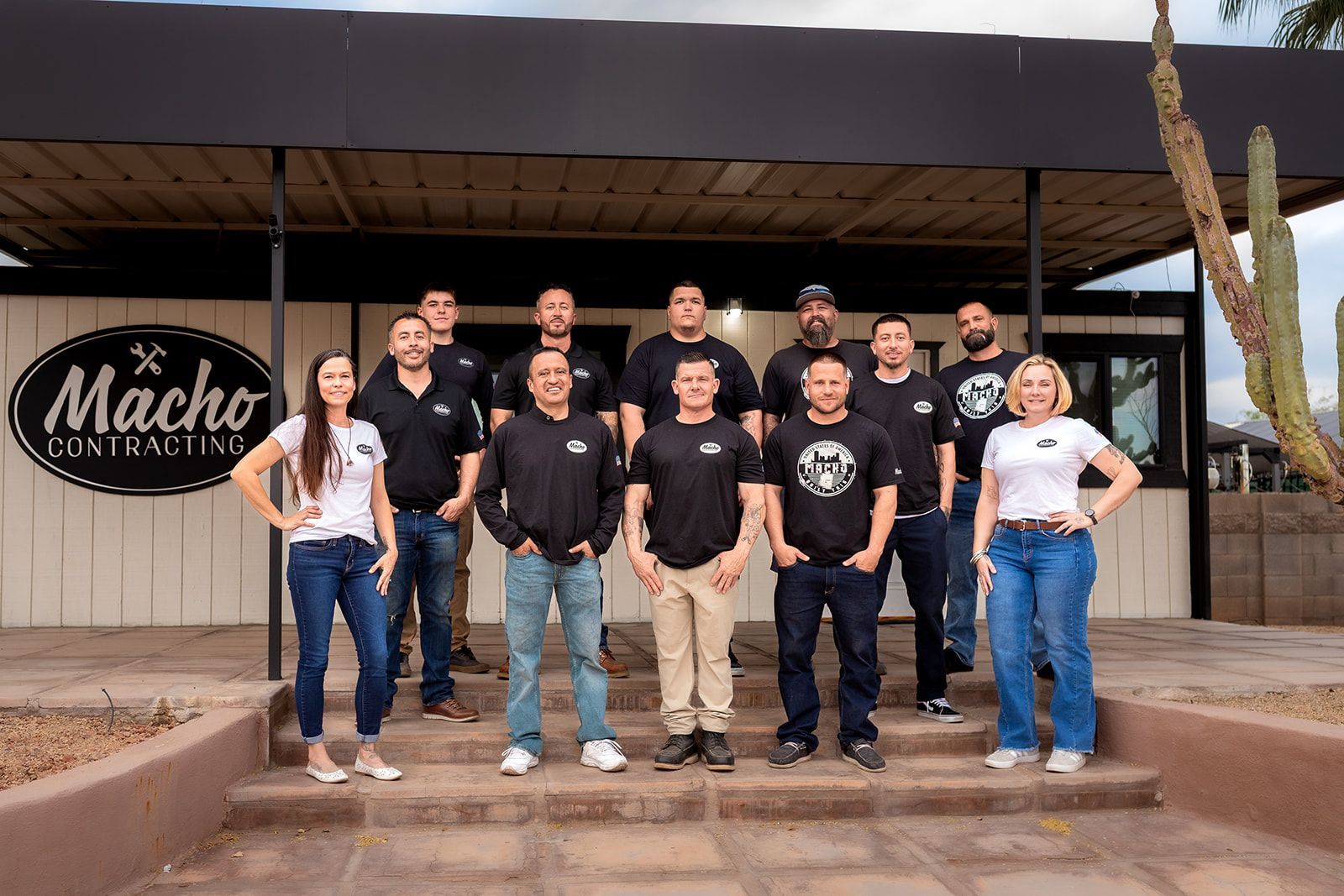
This comprehensive exploration highlights the significant role regular professional care plays in maintaining septic systems. By understanding the components and processes involved, homeowners can appreciate the benefits of routine maintenance while mitigating potential risks. Engaging expert service providers allows homeowners to leverage specialized knowledge, advanced equipment, and tailored care solutions. By dispelling common myths and embracing DIY initiatives, property owners can complement professional service and prolong their system's life. A proactive approach to septic system care ensures reliable functionality, environmental preservation, and improved property value. For dependable service and expert care, contact Macho Contracting today.