By Tabitha
May 18, 2026
The structural integrity of a home often depends on what happens beneath the surface, where groundwater and soil pressure are in a constant state of flux. While homeowners frequently focus on visible upgrades like kitchen renovations or landscaping, the most vital systems are those designed to mitigate the invisible threats of moisture and hydraulic pressure. Flooding remains one of the most significant economic challenges for property owners, with annual national damages reaching billions of dollars. Urban areas are particularly susceptible to these risks due to aging stormwater infrastructure and an increase in impermeable surfaces that prevent natural drainage.
Without a dedicated system to manage this influx, water can easily seep through cracks in a foundation or backup through floor drains, leading to catastrophic losses and long term structural degradation. Protecting a basement requires a proactive strategy that addresses the specific environmental pressures of the local geography. By prioritizing professional oversight and advanced mechanical solutions, property owners can ensure their living spaces remain dry and their investments stay protected against the unpredictable nature of heavy rainfall and rising water tables. This comprehensive guide explores the mechanics of water management and the necessity of maintaining high performance equipment to safeguard the home.
Monitoring Ground Water Levels
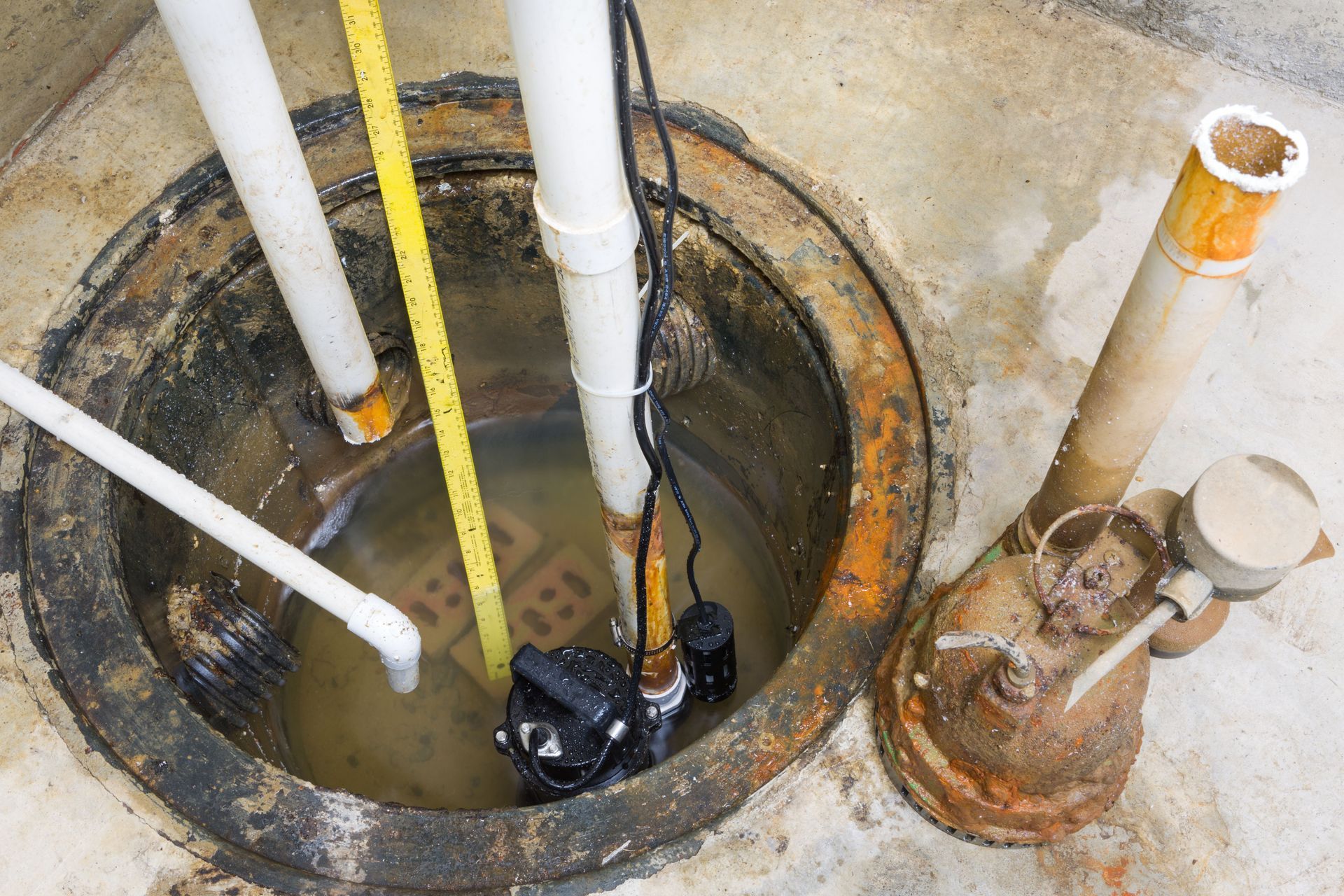
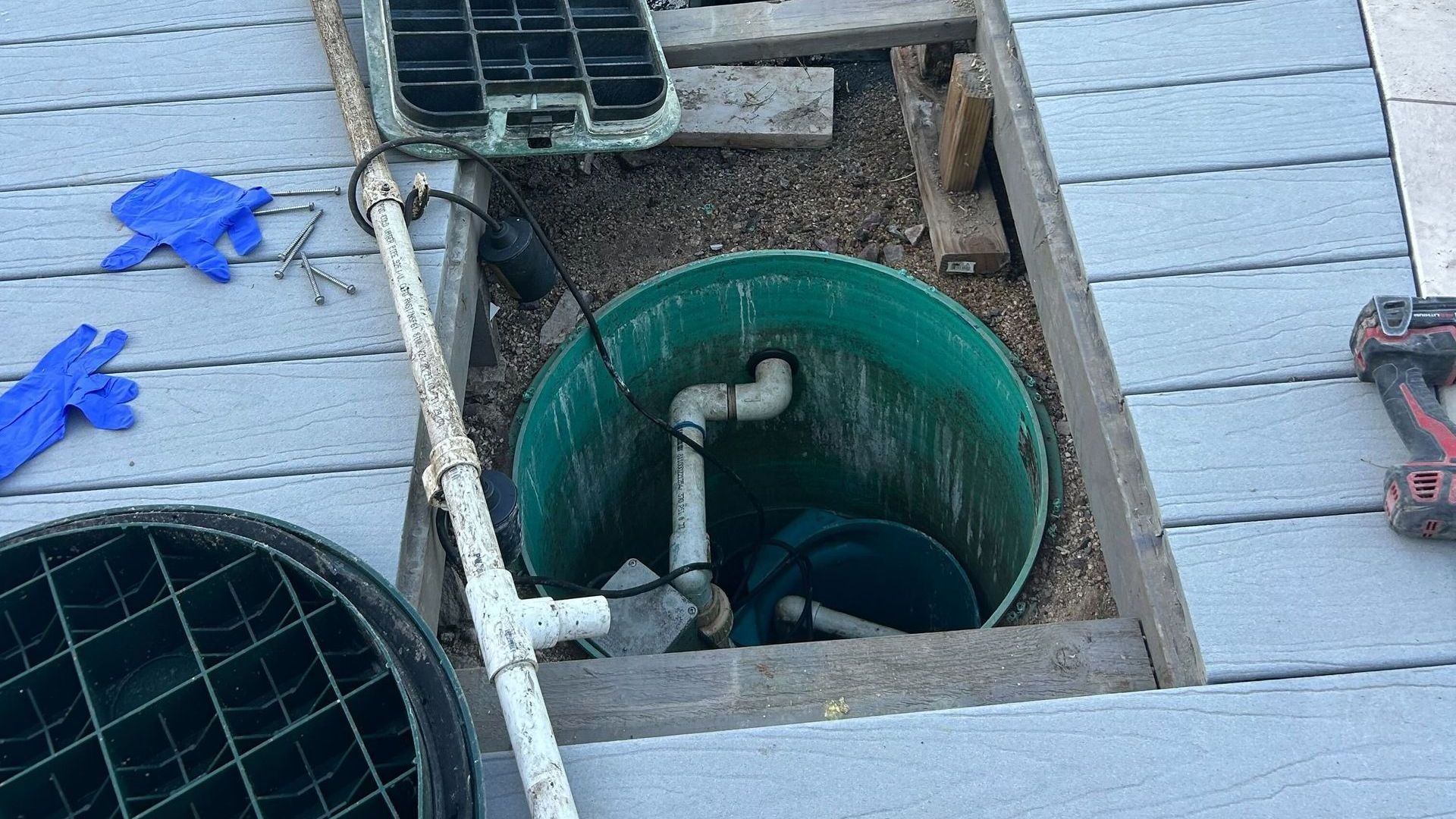
The primary function of a basement protection system is to intercept water before it can enter the living structure. Groundwater exerts significant hydraulic pressure against the walls and floor of a foundation, a force that grows stronger as the soil becomes saturated during heavy rain or snowmelt. Without a relief mechanism, this pressure can eventually cause the concrete to crack or the floor to buckle. A properly installed pit acts as a collection point, drawing water away from the foundation and concentrating it where it can be easily removed.
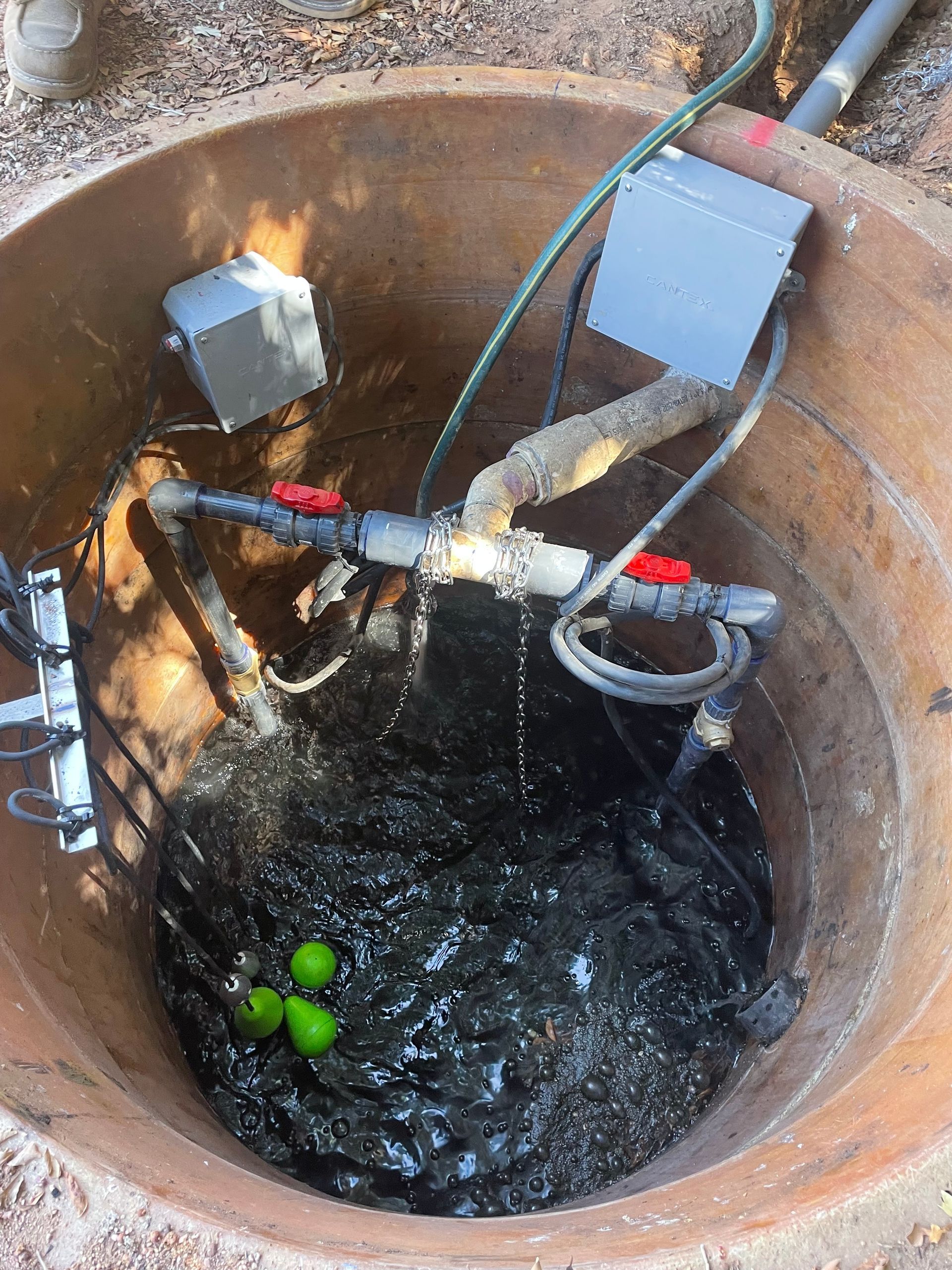
Effectively managing this volume requires specialized sump pump services to ensure that the basin is sized correctly and the discharge lines are clear of obstructions. When these systems are designed correctly, they prevent the buildup of hydrostatic pressure that otherwise threatens the stability of the entire house. Professional assessment is necessary to determine the specific needs of a property, as soil composition and local water tables vary significantly between neighborhoods. Regular monitoring and expert calibration ensure that the system activates only when necessary, maximizing efficiency while providing constant protection against subterranean moisture.
Maintaining Optimal Mechanical Performance
Mechanical systems are prone to wear over time, especially those that operate in the damp, harsh environment of a catch basin. The longevity of a pump is largely dictated by how well its internal components are maintained and whether it was selected appropriately for the specific demands of the home. Factors such as motor horsepower, head pressure, and the quality of the internal bearings play a critical role in how many gallons of water can be moved per hour.
Proper lubrication is essential for the reliability of these units, as insufficient or excessive oil levels can lead to heat generation and eventual bearing failure. In many cases, equipment is over specified or improperly calibrated, which forces it to operate outside its best efficiency point and leads to premature burnout. Utilizing professional sump pump services allows for a precise diagnostic of the motor's health and the float switch's functionality. Expert technicians can identify signs of corrosion or debris buildup that might hinder the impeller's rotation before a storm arrives. By keeping the mechanical elements in peak condition, homeowners avoid the sudden failures that occur when the system is under the most stress.
Enhancing Foundation Structural Integrity
A dry basement is more than a matter of convenience; it is a requirement for the health of the building's foundation. When water is allowed to pool around the base of a home, it can weaken the footings and lead to settling or shifting. According to This Old House, colder climates often have sewer lines buried deeper than the traditional two to six feet, making the need for effective water management even more pertinent where groundwater pressure can mount against your foundation.
In these regions, the interaction between deep frost lines and saturated soil creates a unique set of challenges that standard drainage often cannot handle alone. High quality sump pump services provide the necessary infrastructure to combat these pressures by ensuring that the discharge pipe is appropriately sized and that the check valve is preventing backflow into the pit. If the discharge lines are too small or become restricted, the motor must work harder, which increases the risk of a system stall during peak flow periods. Ensuring that water is moved several meters away from the foundation to a well drained area prevents the same water from simply recycling back through the soil and into the drain tile.
Identifying Vulnerable System Components
Understanding the specific type of equipment in place is vital for long term planning and risk mitigation. Submersible units are generally preferred for residential applications because they allow for a sealed lid, which can also help in mitigating other subsurface issues like radon gas. However, even the most robust submersible models have components that are vulnerable to external factors. Electrical service for these installations must be grounded and often requires a dedicated circuit to prevent breakers from tripping during a heavy load.
Furthermore, the float switch, which acts as the brain of the unit, must have a full range of motion to operate without obstruction. Routine sump pump services focus on these critical failure points, testing the switch and inspecting the power supply for signs of fraying or damage. Lightning strikes or power surges can also destroy the capacitors in a pump, leaving the home defenseless during a storm. Identifying these vulnerabilities during a clear weather inspection is the only way to guarantee that the system will perform when the water starts to rise.
Integrating Advanced Backup Solutions
Relying on a single point of failure is a risky strategy for any homeowner living in an area prone to storms. Power outages frequently coincide with heavy rainfall, meaning the time you need your pump the most is often the time your electrical grid is most likely to fail. Integrating a secondary system, such as a battery backup or a water powered auxiliary unit, provides a necessary layer of redundancy. These secondary systems are designed to take over the moment the primary pump loses power or becomes overwhelmed by the volume of water entering the pit.
Scheduling professional sump pump services to install and test these backup systems ensures they are seamlessly integrated with the existing plumbing. A backup system that is not calibrated correctly may fail to trigger, or it may discharge at a rate that is insufficient for the incoming flow. Beyond power concerns, a secondary unit protects against mechanical failure of the primary motor. This dual approach to water management transforms a basement from a liability into a secure, dry space, regardless of the weather conditions outside.
The security of your home depends on a proactive approach to water management and a commitment to professional maintenance. Leaving the health of your foundation to chance can result in expensive structural repairs and the loss of valuable personal property. By investing in regular
sump pump services, you ensure that every component of your drainage system is prepared for the next major weather event. Do not wait for a storm to discover a fault in your protection. Contact Macho Contracting today to schedule a comprehensive inspection and fortify your home against the hidden threats of groundwater pressure.