By Tabitha
November 13, 2026
A water heater works quietly in the background until the day it fails, and for most homeowners, that failure arrives as a puddle. According to an Insurance Institute for Business and Home Safety analysis of water heater claims, roughly seven in ten water heater insurance claims involve a tank that leaks or bursts. Leaks dominate because a tank holds a constant volume of hot, pressurized water, and every weak point is tested all day, every day. When one gives way, the damage rarely stops at the heater itself. Water can soak drywall, ruin flooring, feed mold, and run up your water bill before anyone notices.
For homeowners across the East Valley of Arizona, the causes are familiar: aging steel tanks, high pressure, mineral-heavy water, and skipped maintenance. Many failures send warning signs first. Below walks through each cause and shows how timely water heater service can keep a small problem from becoming a costly claim. Knowing where leaks begin is the first step toward stopping them. Prevention costs far less than cleanup.
Examining Tank Construction
Most residential tanks are steel vessels lined with a thin coating that keeps water away from the metal. Over time, that coating wears down, and the steel underneath begins to rust. Rust thins the tank wall until a pinhole forms, and a pinhole can turn into a steady leak or a sudden rupture. Tank water heaters generally last eight to 12 years, so any unit near the ten-year mark deserves close attention. Each tank also contains a sacrificial anode rod that attracts corrosion so the lining does not have to.
Once that rod is used up, the tank itself becomes the target, and failure accelerates. Rusty or discolored hot water, moisture at the base, and rumbling noises are all signs worth acting on. A technician can test the anode rod and judge the remaining life of the tank during a water heater service visit. If the tank is past its prime, replacement is usually smarter than repair, and a tankless unit eliminates the storage tank that fails in the first place.
Managing Pressure Buildup
Heating water makes it expand, and in a closed tank that expansion raises the internal pressure. A temperature and pressure relief valve is the safety device that opens when pressure climbs too high. If that valve is stuck, corroded, or blocked by mineral deposits, the tank has no safe way to release the force. High incoming water pressure from the home’s plumbing can add to the strain, and closed plumbing systems often need an expansion tank to absorb the extra volume.
Without that protection, seams and welds flex with every heating cycle until they crack. Dripping from the relief valve discharge pipe is a clear signal that something is wrong and should never be ignored or capped. A professional water heater service call includes testing the relief valve and checking the home’s water pressure with a gauge. These quick checks catch problems long before a tank is stressed to the breaking point. Valves that fail the test are far cheaper to replace than flood damage is to repair. Pressure is invisible without a gauge.
Confronting Hard Water
The Valley is known for hard water, which carries high levels of calcium and magnesium. When water is heated, those minerals settle out and collect at the bottom of the tank as sediment. A thick sediment layer insulates the water from the burner or heating element, which forces the heater to run hotter and longer. Overheated metal at the bottom of the tank weakens faster, and the sediment itself can hold corrosive minerals against the tank floor. Popping or rumbling sounds are the classic clue that water is boiling beneath trapped sediment.
Annual flushing removes much of this buildup, and a water softener or filtration system reduces how much accumulates in the first place. Tankless units face the same challenge, since minerals coat their heat exchangers and require periodic descaling. A local water heater service provider understands what Arizona water does to equipment and can recommend the right combination of flushing, softening, and filtration. Treating the water protects more than the heater, since fixtures and appliances suffer from the same minerals.
Inspecting Joint Seals
Not every leak starts inside the tank. Inlet and outlet connections, drain valves, heating element gaskets, and the relief valve all depend on seals that wear with age. Repeated heating and cooling make metal and rubber expand and contract, which gradually loosens joints. Installation quality matters just as much. A heater set up with poorly tightened fittings, mismatched materials, or missing safety components may leak within months, even when the tank itself is sound. Placement counts too, because a heater in a garage, closet, or attic needs a drain pan and proper drainage to limit damage if something fails.
Hiring a licensed, certified plumber for installation and water heater service ensures the unit matches local code and the manufacturer’s instructions. That same professional can also add a leak detection and automatic shutoff device that stops water flow the moment a problem appears. Homeowners can help by looking over visible connections each month for moisture, mineral crust, or rust streaks. A small drip caught early often needs only a minor repair.
Scheduling Routine Maintenance
Maintenance is the most reliable way to stop leaks, yet it is the step homeowners skip most often. A yearly water heater service visit should include flushing the tank, testing the relief valve, inspecting the anode rod, checking connections, and confirming that the temperature setting is safe and efficient. Each task targets a specific cause of leaks, so skipping any one leaves a gap. Dropping the thermostat to around 120 degrees also reduces thermal stress and mineral buildup while saving energy.
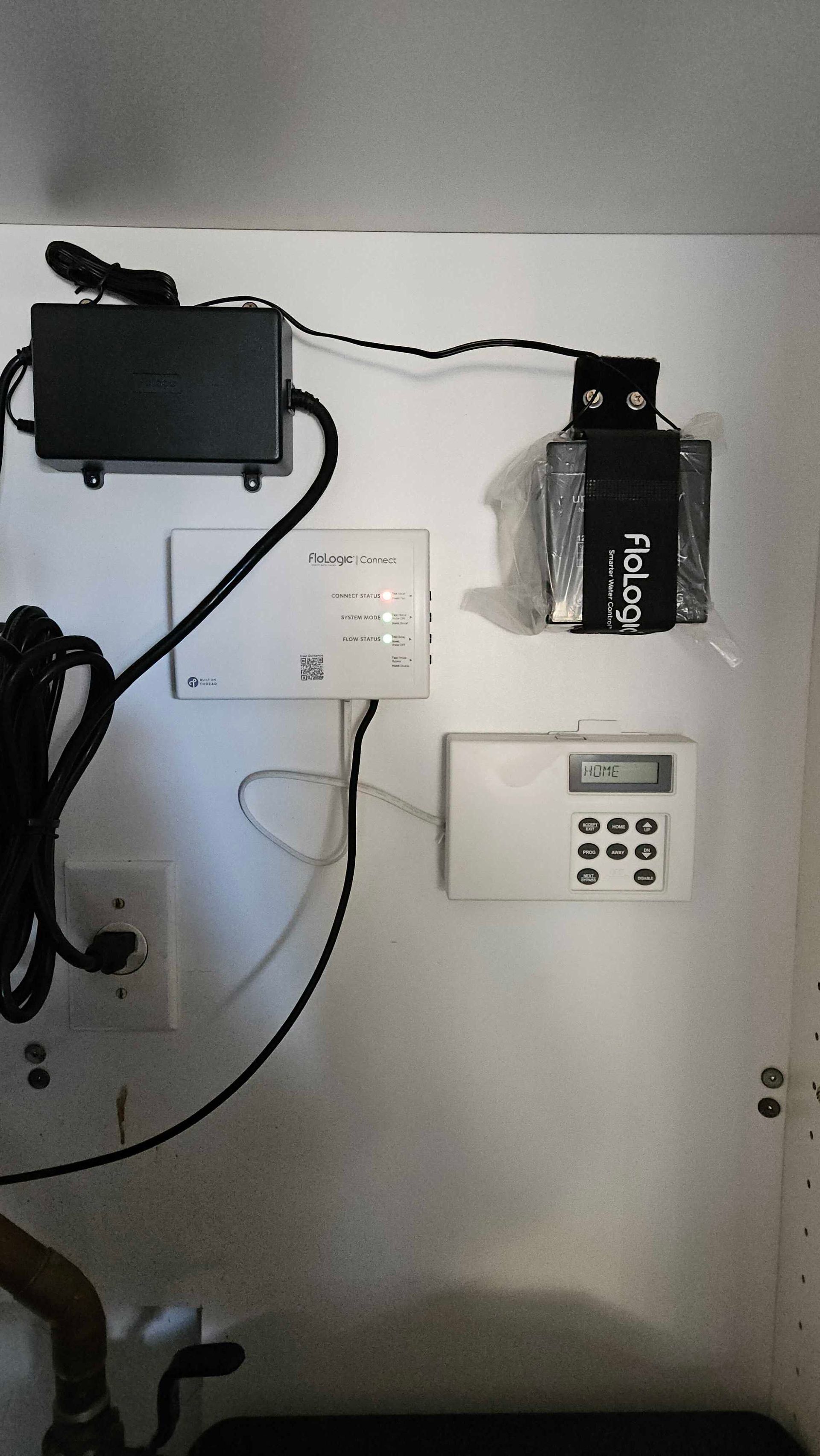
Modern leak control technology adds another layer of protection. Smart shutoff valves such as FloLogic monitor water flow and close the supply automatically when they detect an abnormal leak. That can mean the difference between a minor repair and a ruined floor. Regular upkeep also supports insurance outcomes, since documented maintenance shows responsible ownership and can make a claim easier to handle if one is ever needed. Scheduling water heater service each year, ideally before the busy season, keeps the system ready for heavy daily use. Consistency is what makes it work.
Protecting Your Home
Water heater leaks are common because tanks age, pressure builds, minerals accumulate, and fittings loosen, often at the same time. The encouraging news is that nearly every one of these causes can be caught early. A rusty trickle, a damp base, a noisy tank, or a hot water supply that no longer keeps up are all invitations to call a professional before the damage spreads.
Whether you own a traditional tank or a tankless system, the right water heater service plan protects your hot water, your property, and your budget. Repair makes sense for younger units with a minor fault, while replacement is the smarter investment for an aging tank showing rust or repeated problems.
An experienced, licensed technician can evaluate your unit, explain your options plainly, and provide a free estimate so you can decide with confidence. Do not wait for a puddle to start the conversation. Call or text Macho Contracting today to schedule your free estimate and get dependable
water heater service from licensed Arizona plumbers.