By Tabitha
November 14, 2026
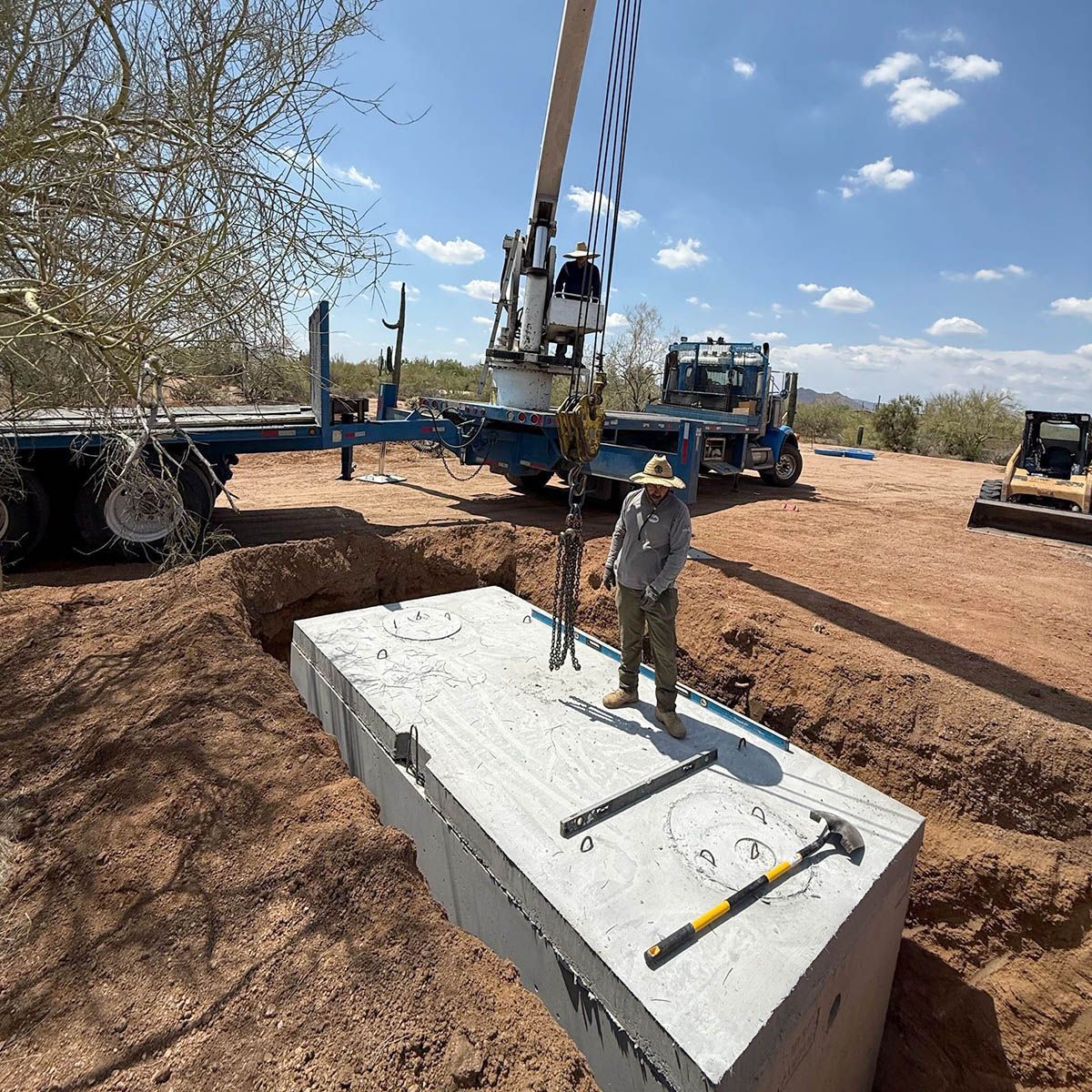
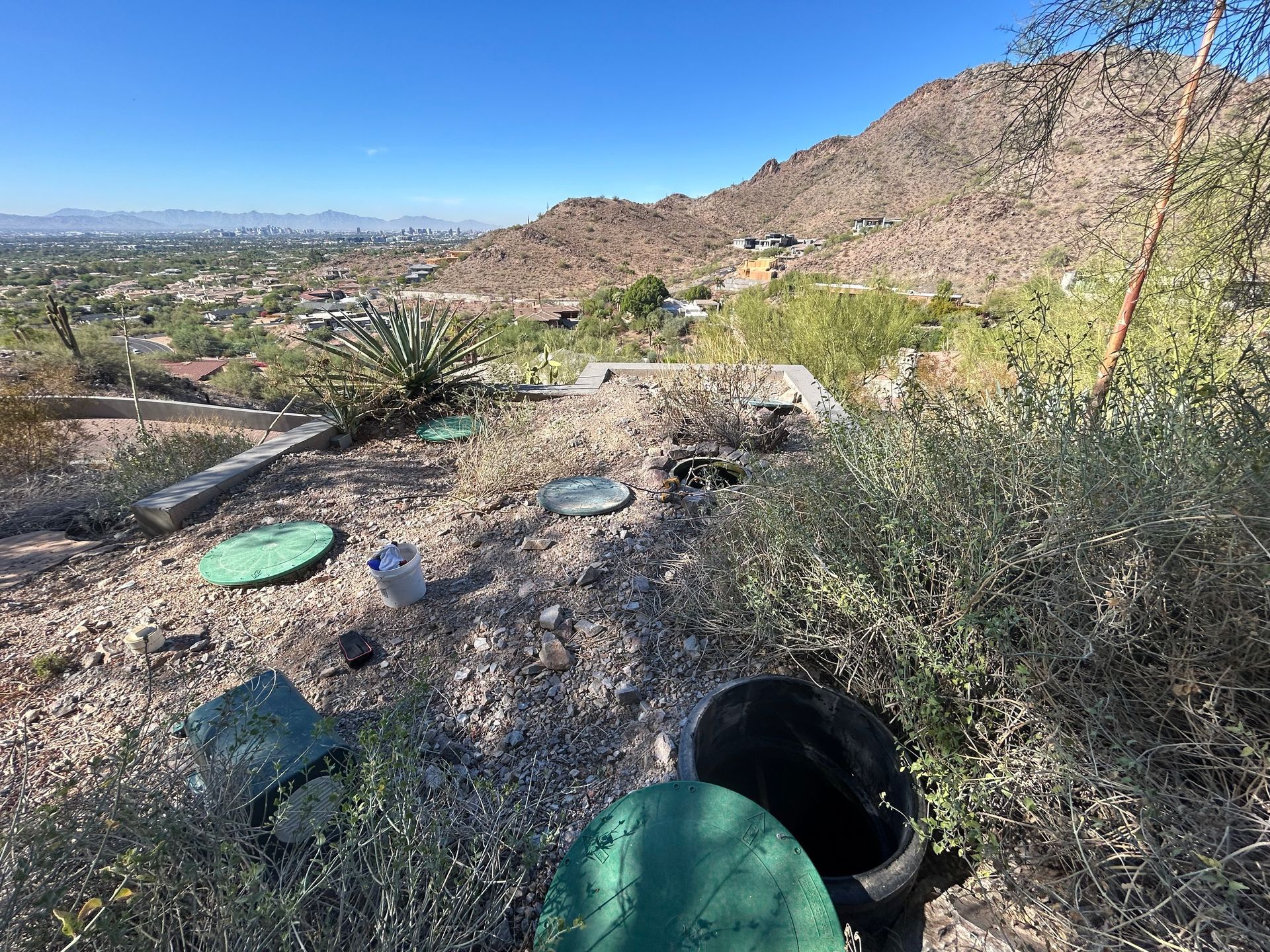
A septic system is easy to forget because it works out of sight, and that is exactly why neglect becomes so expensive. Solids build up in the tank a little more each month, and nothing signals the problem until wastewater starts backing up into the house or surfacing in the yard. By then, the choice is no longer between pumping and not pumping. It is between a routine visit and an emergency repair that can run into the thousands. Homeowners across Arizona rely on conventional tanks, alternative treatment units, cesspools, and drywells, and every one of them needs attention to keep working.
Regular pumping and inspection are the simplest forms of protection available, and professional septic services make them easy to schedule. Below explains how often to pump, which warning signs matter, what failure really costs, and how the right care protects your property and your community. A modest investment now prevents a major bill later. Understanding the stakes makes the habit easier to keep.
Understanding Pumping Frequency
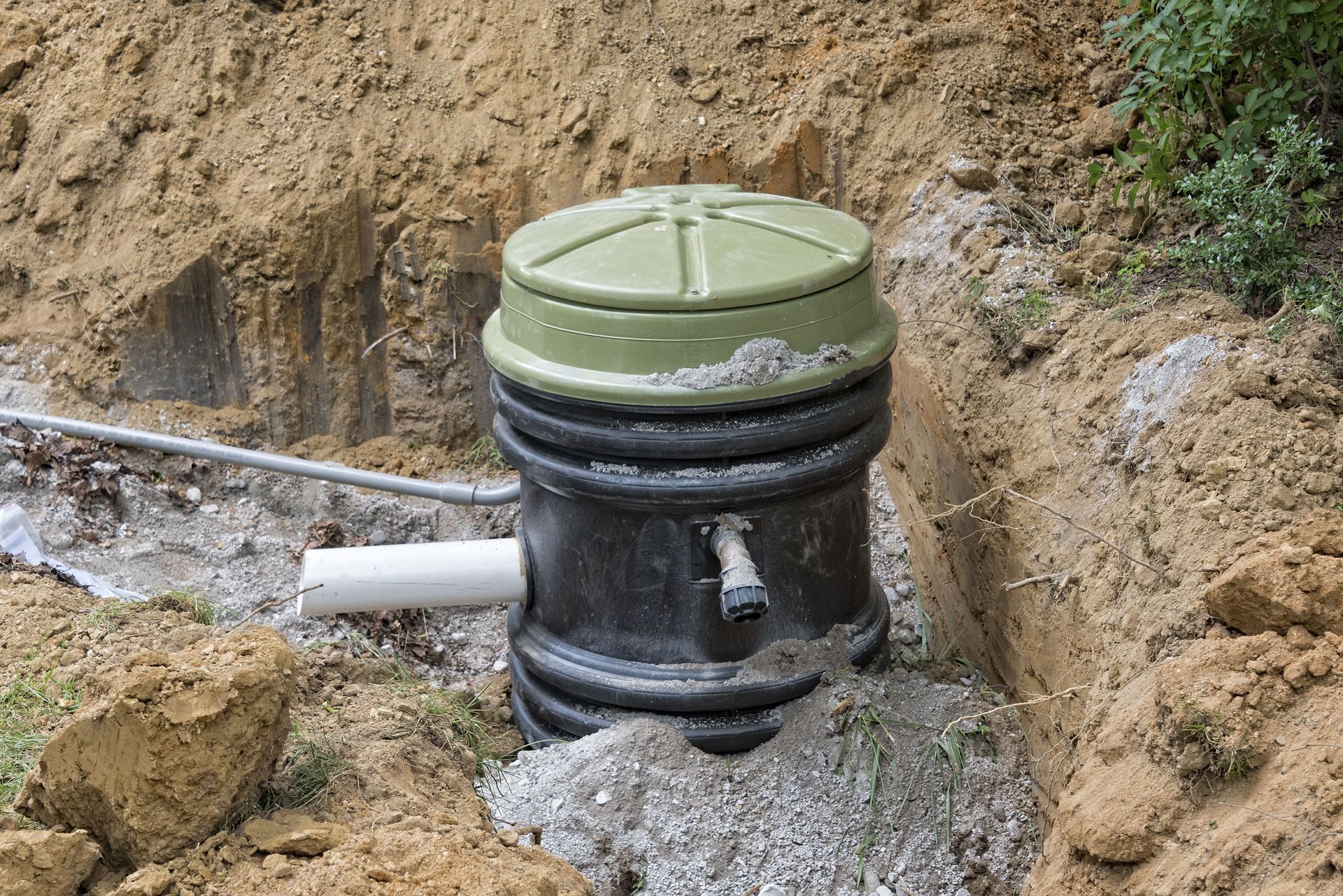
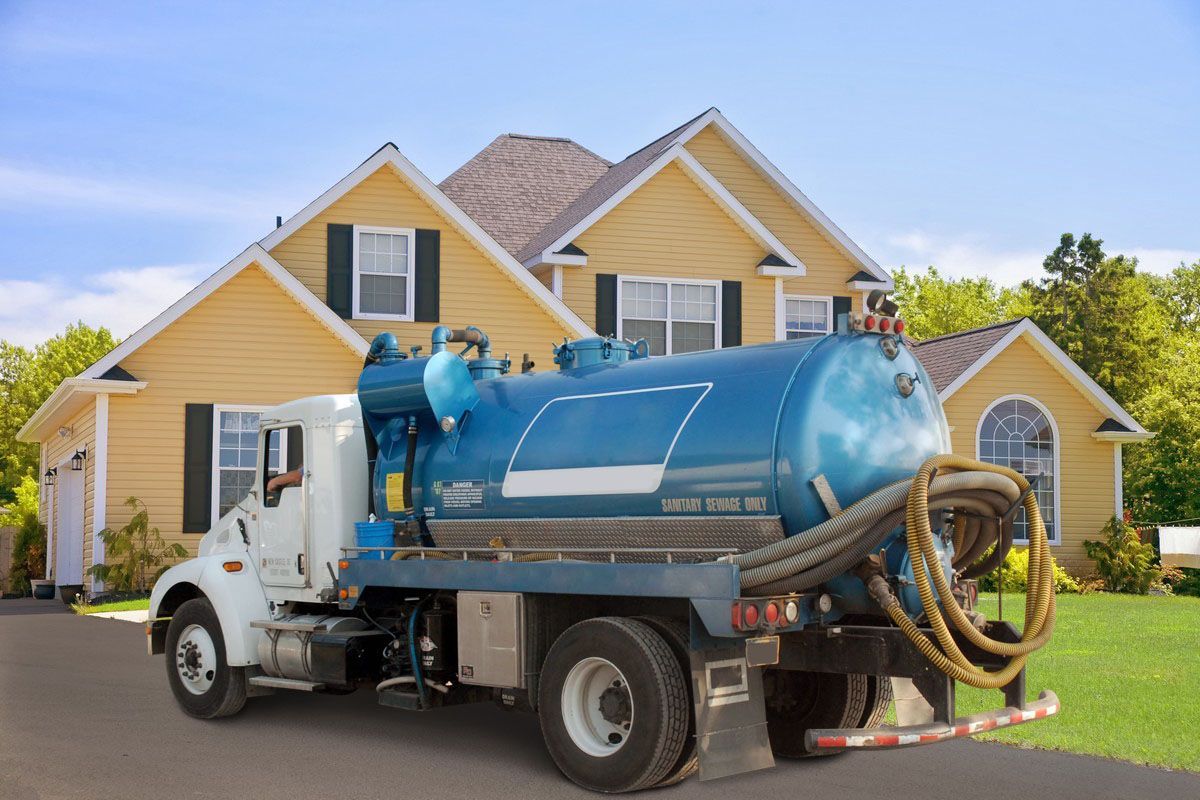
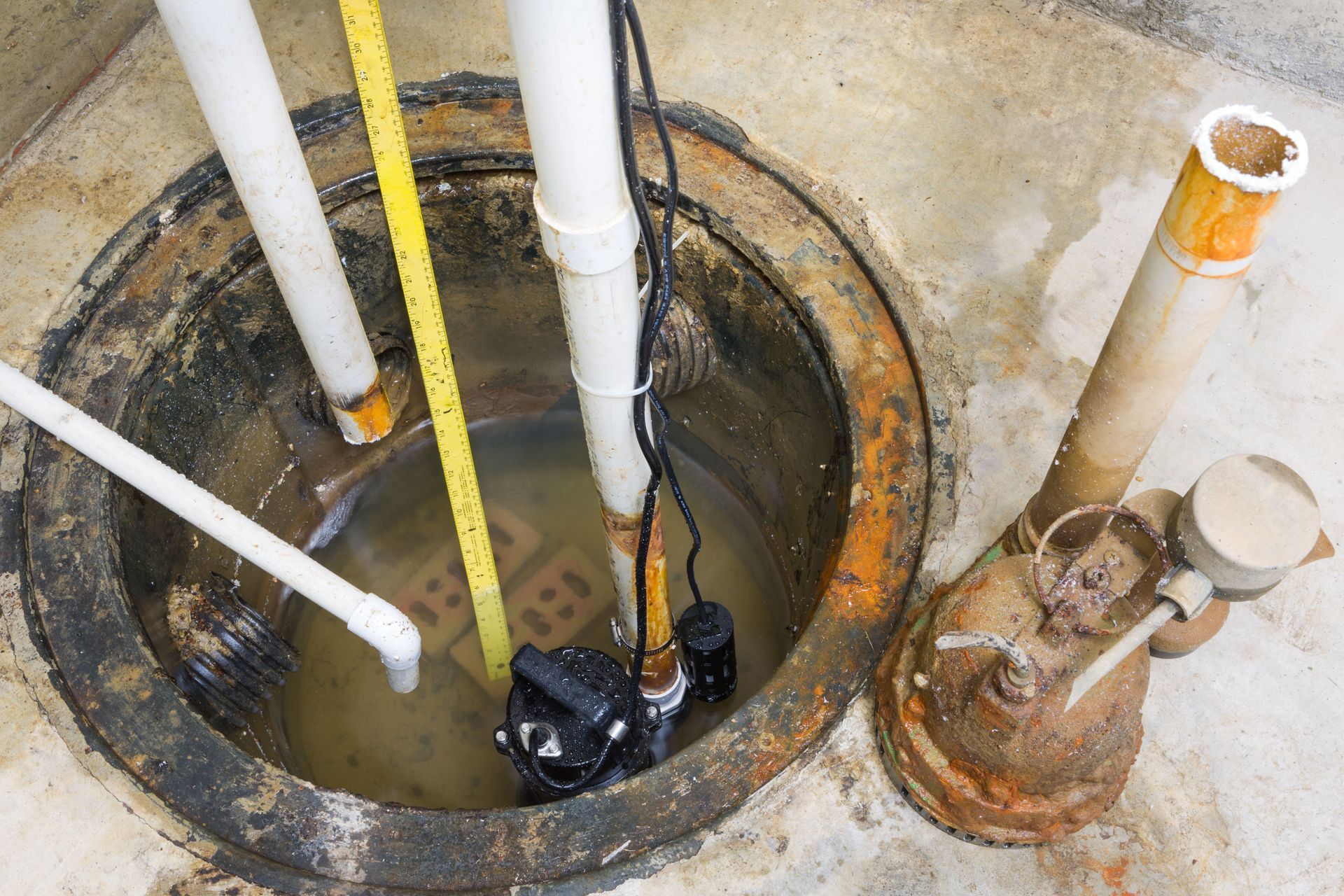
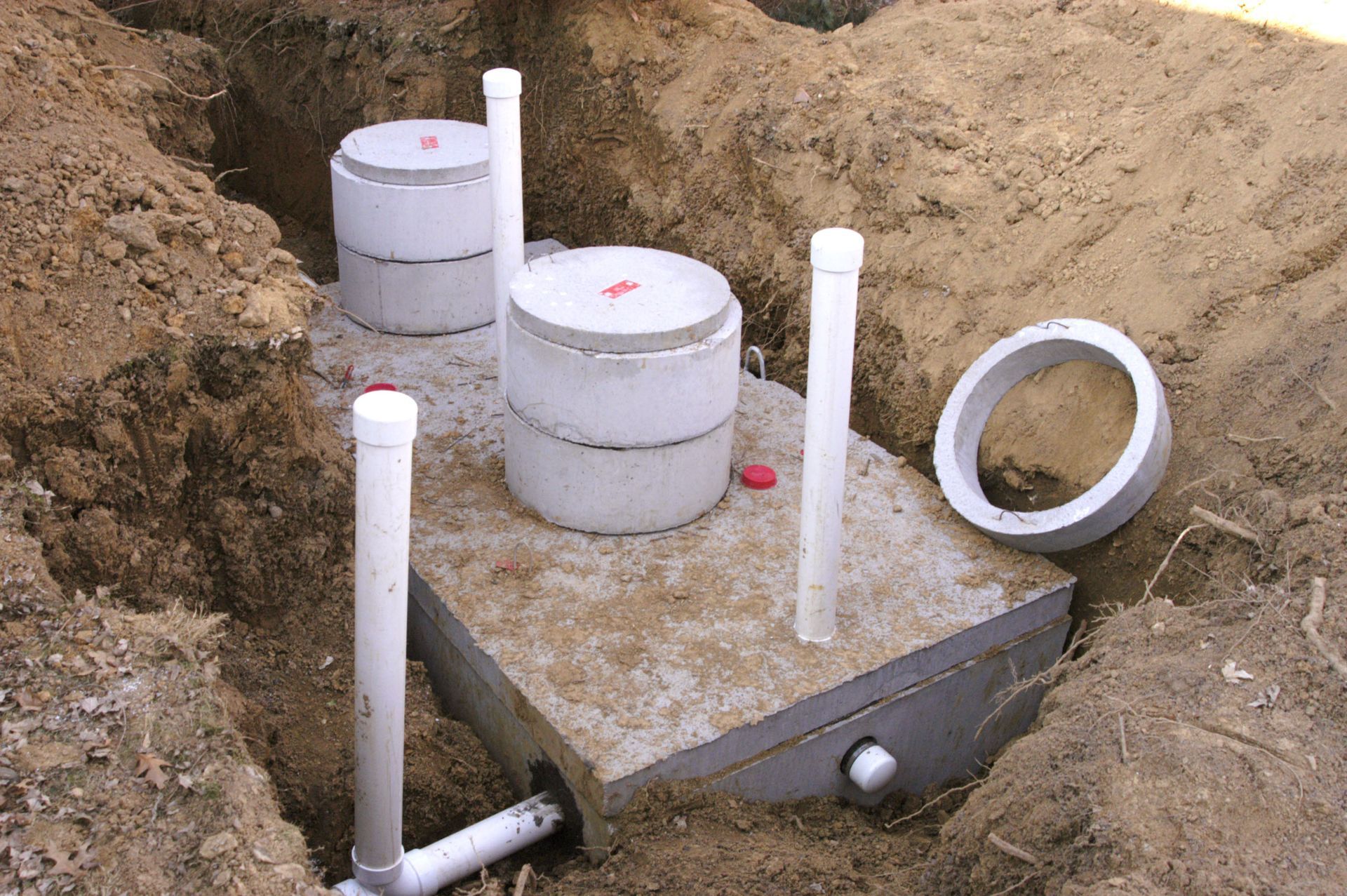
Most household septic tanks need pumping about every three to five years, though the right interval depends on tank size, household size, and water use. A large family with a garbage disposal fills a tank much faster than a couple in a small home. Inside the tank, wastewater separates into three layers: scum floats on top, sludge settles on the bottom, and the liquid between them flows out to the drain field. Pumping removes the scum and sludge before they can travel downstream. When solids reach the drain field, they clog the soil, and a clogged leach field is among the most expensive parts of a system to repair.
Because every property is different, a technician should measure sludge depth during an inspection and recommend a schedule that fits your system. Reliable septic services should always include that kind of tailored guidance rather than a one-size-fits-all reminder. If you skip the interval, the tank has less room to work every year, which puts steady pressure on the entire system.
Detecting Warning Signs
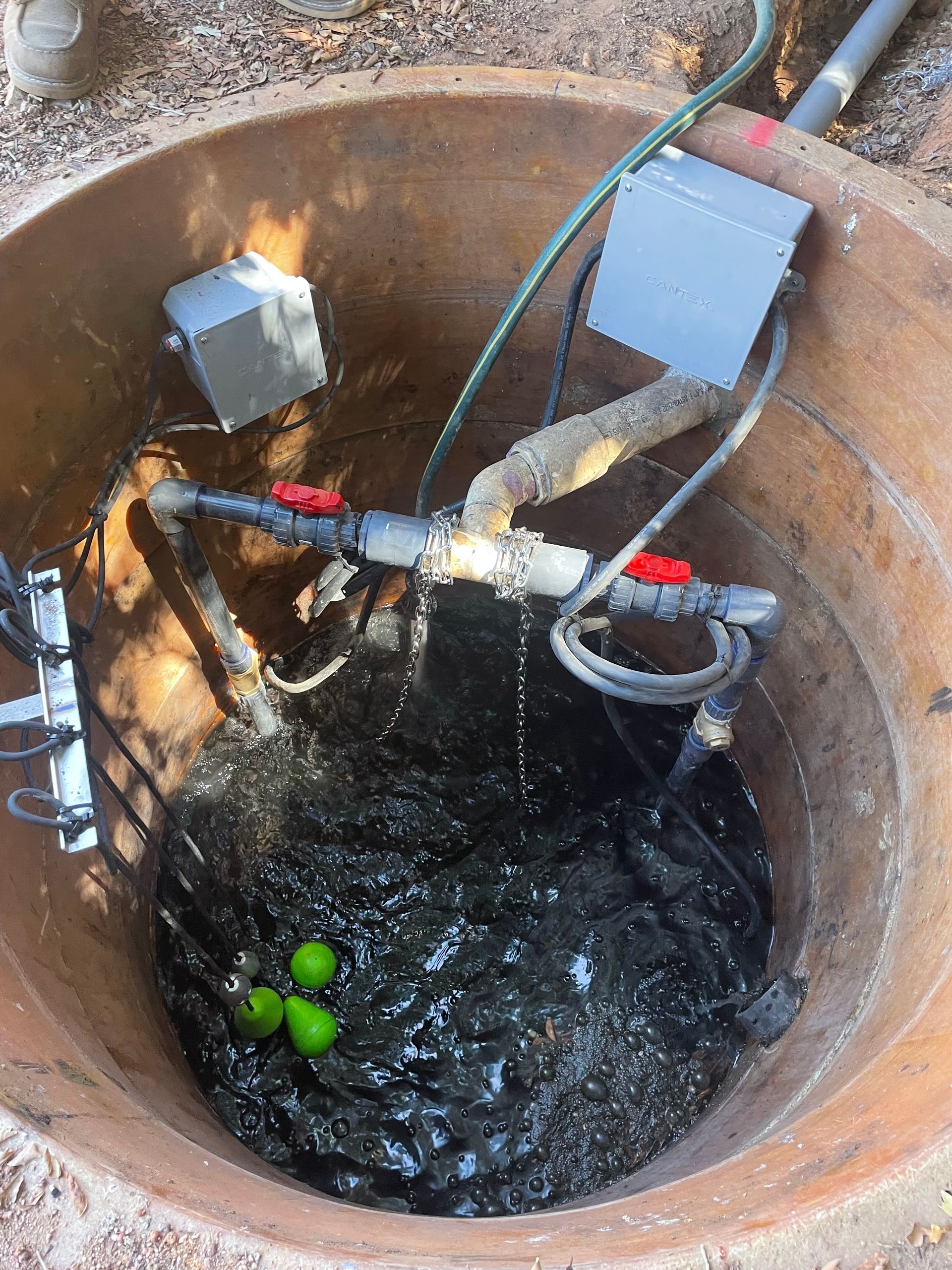
A struggling septic system usually gives notice before it fails. Slow drains throughout the house, gurgling pipes, and toilets that flush weakly suggest the tank or the lines are filling up. Sewage odors near the tank or drain field, soggy patches of lawn, and unusually green grass over the system are signs that effluent is not being treated properly. Backups into tubs or floor drains are the most urgent warning of all. Any of these symptoms calls for a professional inspection right away, because waiting allows a pumping job to turn into a repair or replacement.
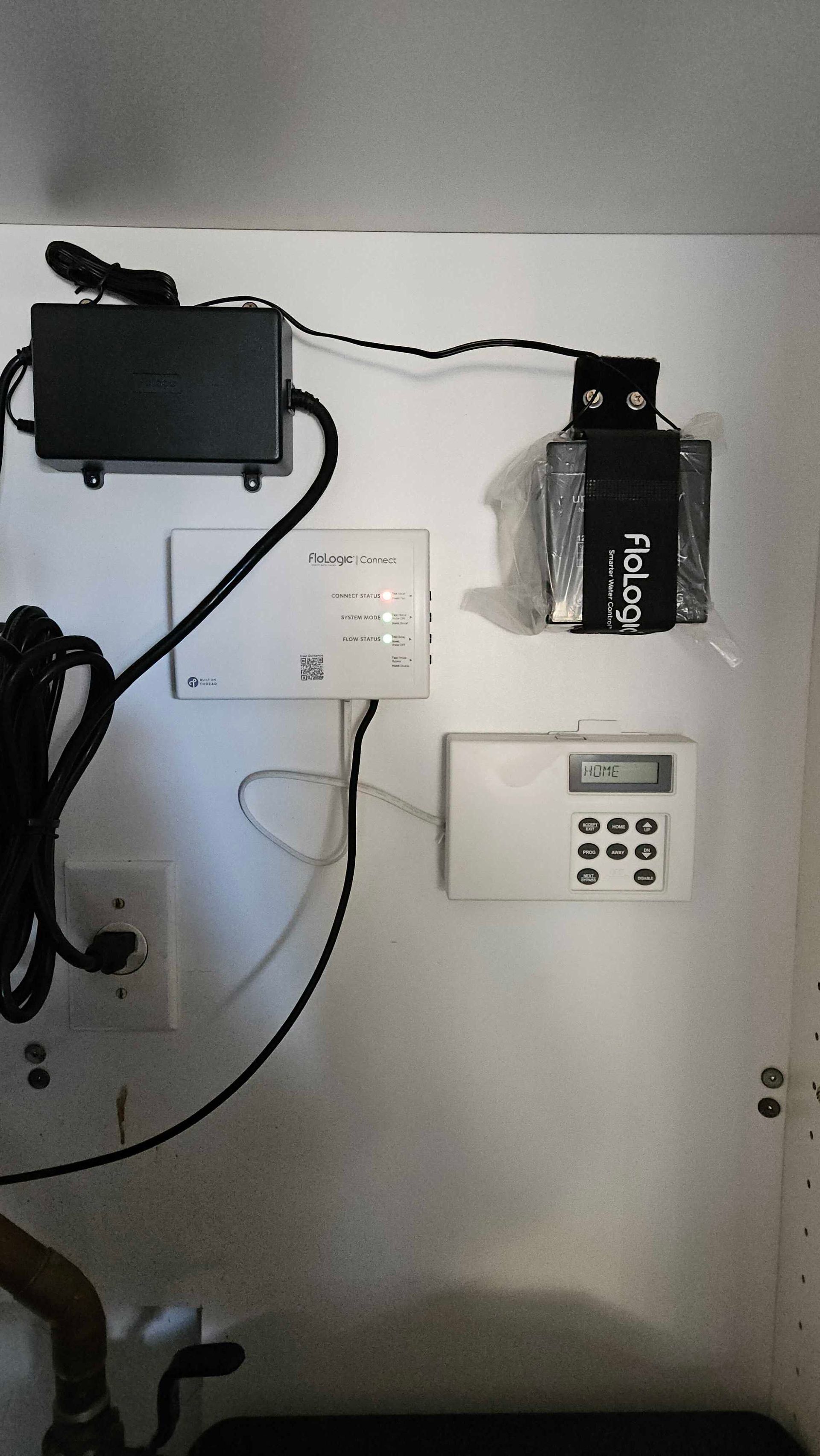
Experienced technicians use inspection tools and smart flow monitoring to find the source of trouble without guesswork. Devices such as FloLogic can even alert you to unusual water use, which helps catch leaks that quietly overload a tank. Habits matter too, since grease, wipes, and excessive water in a short period can overwhelm a tank that is already near capacity. Complete septic services cover both the tank and the drain field.
Calculating Repair Expenses
Neglect gets expensive quickly because septic repairs are rarely simple. According to This Old House, sewer lines are typically buried somewhere between two and six feet below the surface, with colder regions often requiring greater depth. That depth explains why repairs involve trenching, heavy equipment, and restored landscaping rather than a quick fix. Even in Arizona’s milder climate, a failing line between the house and the tank means excavation. A routine pumping, by comparison, takes a short visit and costs a small fraction of that work.
Replacing a failed drain field or an entire system can climb into the tens of thousands, especially when new design and permitting are required. Emergency calls add to the bill, since backups rarely happen at convenient times and may force a family to find other accommodations. Preventive septic services spread a small, predictable cost across the years and avoid the large, unpredictable one. The math is simple: pumping every few years is far cheaper than excavating once. Free estimates make it easy to compare options before committing.
Protecting Property Value
A well-documented septic system is an asset when it is time to sell. In Arizona, a property transfer typically involves a septic inspection that follows ADEQ requirements, including pumping and cleaning the tank. A system that has been maintained regularly moves through that process with far less stress. One that has been ignored may fail inspection, delay a closing, or force a price reduction. Buyers and lenders pay attention to septic condition because a failing system is a major liability that they would inherit.
Pumping receipts, inspection reports, and repair records show that the home has been cared for and give buyers confidence. Insurance matters as well, because documented maintenance demonstrates responsible ownership, while damage caused by neglect may not be covered under every policy. Reviewing your policy with your insurer is a smart step for any septic owner. Working with licensed professionals who provide full-range septic services, from pumping to inspection to repair, keeps every record in one place. That paper trail helps protect the value of your biggest investment.
Preserving Local Groundwater
A failing septic system harms more than the homeowner’s wallet. Untreated wastewater carries bacteria, viruses, and excess nutrients that can seep into the soil and reach groundwater. In Arizona, where water is precious and many rural and desert-edge homes rely on private wells, protecting groundwater is especially important. Contaminated water can expose families and neighbors to illnesses, and it can damage the soil that supports yards, gardens, and native plants.
Overflowing systems also attract pests and create unsafe conditions for children and pets. Regulations exist to prevent these outcomes, and fines or required corrective work can follow when a system is found out of compliance. Staying current with pumping and inspections is the easiest way to remain on the right side of those rules. Trained technicians who hold industry certifications and keep up with changing codes can ensure the work protects both your property and the environment. Choosing certified septic services is therefore both a financial decision and a community responsibility. Healthy systems keep water clean for everyone downstream.
Taking Proactive Steps
Regular septic pumping saves thousands because it replaces emergencies with routine visits. It protects your drain field, preserves your property value, keeps insurance and compliance in order, and safeguards the water your community depends on. Neglect does the opposite, quietly building a bill that arrives all at once. The best next step is to know where your system stands. Check when the tank was last pumped, watch for warning signs, and schedule an inspection if the answer is not clear.
Whether your property has a conventional tank, an alternative treatment unit, or an older cesspool, professional septic services can tailor a maintenance plan to it. Look for a licensed, family-owned team with specialized wastewater training that explains options plainly and stands behind its work.
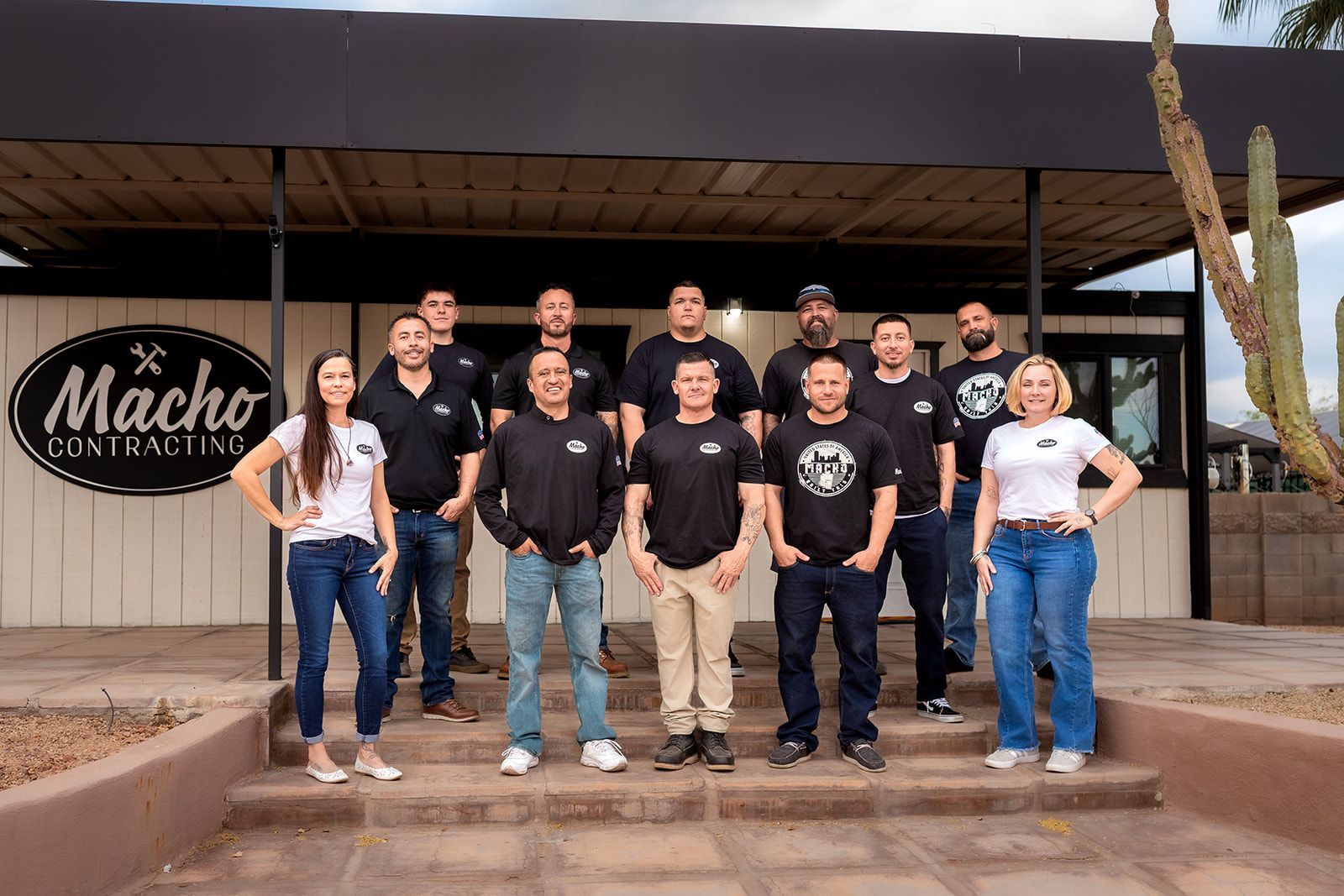
Putting off a pumping appointment saves nothing, while a small, regular commitment protects your largest investment. Do not let a backup decide for you. Call or text Macho Contracting today to schedule your free estimate and keep your system working with trusted septic services across Arizona.